
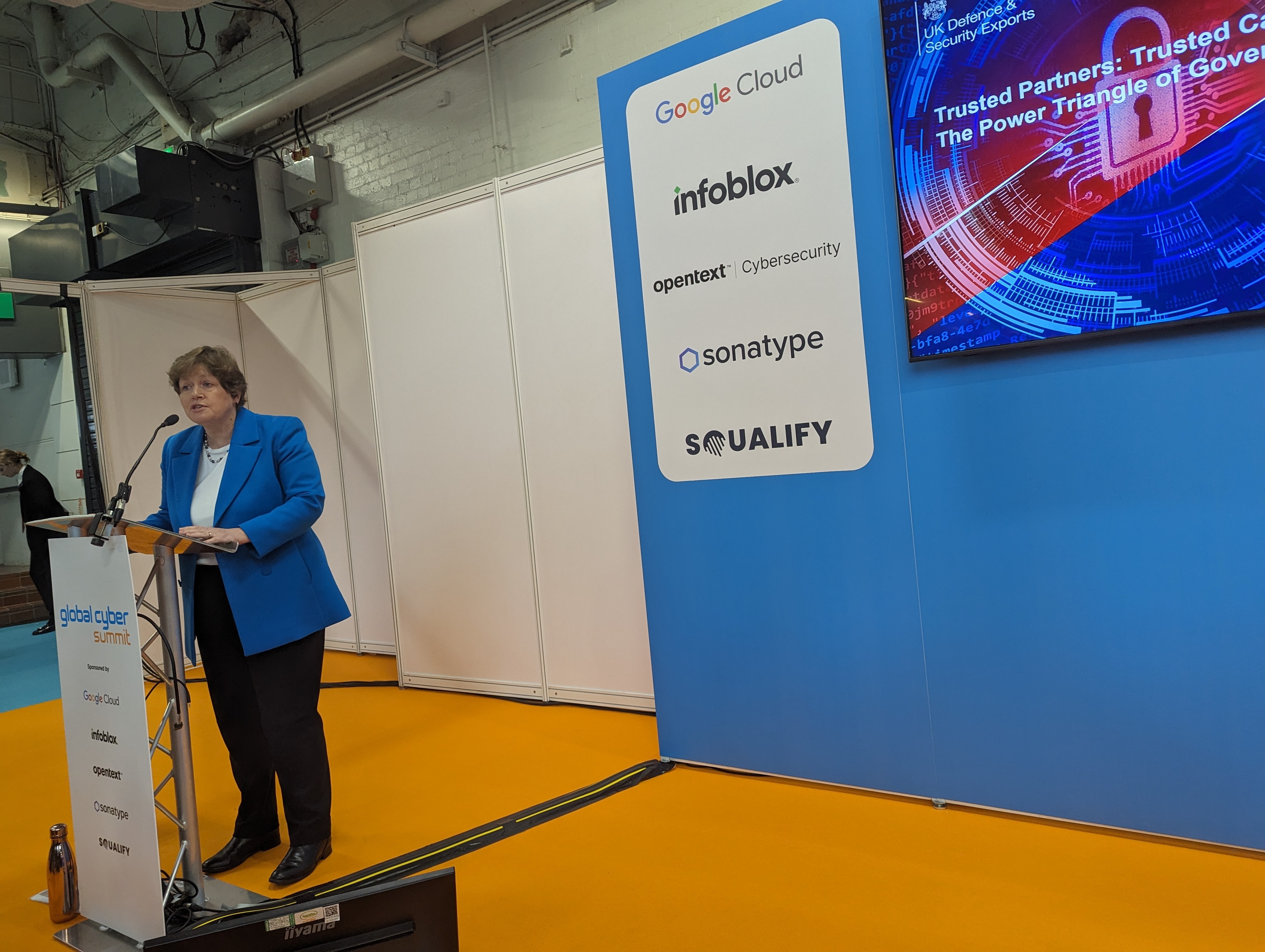


The National Cybersecurity Centre (NCSC) in the UK has been a source of inspiration for other countries looking to establish similar agencies. Juliette Wilcox, the cybersecurity ambassador for the UK’s Department for International Trade, recently visited Kuwait where a deal was struck to support the functions of the Kuwait National Center for Cybersecurity. Wilcox explained in an interview with Dark Reading how countries in the Middle East and Africa, among others, are building their own cybersecurity strategies and opening similar centers.
When asked how countries are opening national cybersecurity agencies and centers, Wilcox stated that other governments have admired the NCSC and sought to replicate it. The process involves getting industry experts who have experience in this field and tailoring the setup to suit the country’s specific needs. However, establishing such centers is a complex undertaking as it deals with national security and critical national infrastructure. Companies involved in this process need to be credible and trusted.
Wilcox was also asked about the level of advancement in countries that are opening these centers. She mentioned that different countries have approached it differently, but most now recognize the importance of having a central cybersecurity authority. The location of these centers varies, with some housed under the Ministry of Defense or the Home Ministry. Countries are at different stages in their thinking and planning, but it is expected that more countries will want to establish their own cybersecurity centers in the future.
Regarding the UK’s role in supporting these centers, Wilcox explained that the signing of the statement of intent with the Kuwaiti government came after years of discussion. Kuwait is one of many countries that have established or are in the process of establishing cybersecurity agencies. The UK aims to assist Kuwait in setting up and developing its center by sharing its own experiences and expertise. This includes providing guidance on creating cyber skills frameworks and national technical authorities. The ultimate goal is to help Kuwait and other countries think through the necessary steps for success.
Wilcox also highlighted the evolving nature of these agencies and centers. They are increasingly collaborating with each other regionally, sharing knowledge and best practices. Collaboration is crucial to developing effective cybersecurity strategies and responses to the ever-changing threat landscape. An example of this regional collaboration is the Gulf Cooperation Council, which has established a Computer Emergency Readiness Team.
In conclusion, countries around the world are recognizing the need to establish national cybersecurity agencies and centers. The UK’s NCSC has served as a model for many countries, including Kuwait. The process of opening these centers involves engaging industry experts, tailoring the setup to suit the country’s context, and ensuring credibility and trustworthiness. The UK is actively supporting the development of these centers by sharing its experiences and providing guidance. Regional collaboration is also increasing, fostering knowledge-sharing and collaboration among countries. As the threat landscape continues to evolve, these centers play a critical role in safeguarding national security and critical infrastructure.