
The recent development in the ongoing conflict between Ukraine and Russia has taken a unique turn with the emergence of a team of vigilante hackers known as One Fist. This team of hackers has been actively engaging in cyber-attacks against Russian targets, including stealing data from military firms and hacking cameras to spy on troops.
The controversial aspect of this situation arises from the fact that Ukraine’s military has decided to express their gratitude to these hackers by awarding them certificates of recognition for their efforts. This move highlights the shifting landscape of modern warfare, where civilian hackers are being encouraged by states to participate in cyber operations.
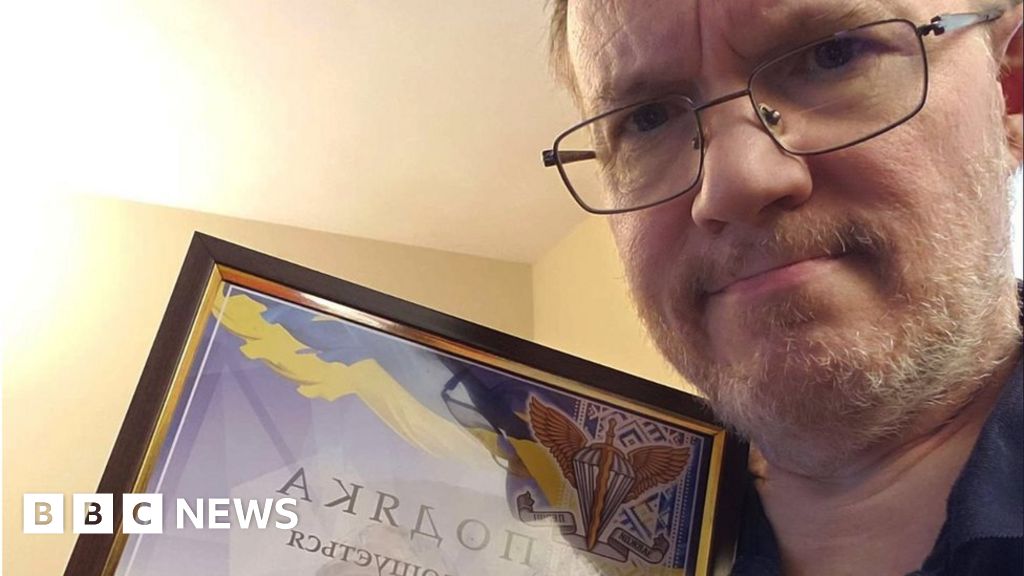
One of the key figures in this group of hackers is Kristopher Kortright, also known as “Voltage”, who has been coordinating hacking operations from his home in the US. Despite facing challenges and sacrifices, such as losing his job and spending all his life savings in pursuit of supporting Ukraine, Kristopher expressed his delight at receiving official recognition for his contributions.
The eclectic group of hackers in One Fist hails from eight different countries, including the UK, US, and Poland. Together, they have launched numerous cyber-attacks on Russian targets, with each successful operation being celebrated on social media platforms.
The certificates of gratitude were sent to the hackers by the commander of the Airborne Assault Forces of Ukraine, acknowledging their significant contribution to the military’s vital activities. While some have raised concerns about the implications of awarding civilian hackers for malicious and possibly criminal acts, others see it as a testament to the evolving nature of modern warfare.
Dr. Lukasz Olejnik, an expert in cyber-security, warned that rewarding civilian hackers could blur the lines between combatants and civilians, potentially undermining international conventions on warfare. Despite the controversy, the Ukrainian military stands by its decision to recognize the efforts of these hackers in supporting their cause against Russian aggression.
Kristopher and his team have successfully carried out several high-profile cyber-attacks, including disrupting Russian surveillance operations by hacking into CCTV cameras and stealing classified data from a prominent Russian weapons-maker. These operations have dealt significant blows to Moscow and have been instrumental in supporting Ukraine’s defense efforts.
The increased cyber-activity in the conflict between Ukraine and Russia has prompted a reevaluation of how non-state actors, such as civilian hackers, are utilized in modern warfare. While governments typically discourage such direct involvement due to the risk of escalation, the unprecedented nature of the conflict has led to a reconsideration of traditional norms.
In conclusion, the actions of One Fist and the recognition they have received from Ukraine’s military represent a new chapter in the evolving dynamics of cyber warfare. As these hackers continue to support Ukraine in their fight against Russian aggression, the implications of their actions and the military’s response will likely shape future discussions on the role of civilian hackers in conflicts.