


UNC3753’s Targeted Campaign: An In-Depth Analysis
The cybersecurity landscape is facing a significant challenge as the threat cluster known as UNC3753, also connected to the Silent Ransom Group and Luna Moth, intensifies its focus on the professional, legal, and financial sectors in the United States. This malevolent group has drawn attention due to its sophisticated, financially motivated campaigns, employing a meticulous approach to carry out attacks swiftly and effectively.
According to the latest insights from Mandiant’s Google Threat Intelligence Group (GTIG), the tactics utilized by UNC3753 are not only innovative but alarmingly effective. The group relies on a blend of voice phishing, the exploitation of remote monitoring and management software, and even physical infiltrations to achieve their objectives. This multi-layered strategy allows them to execute an entire attack sequence—from initial contact to data extraction and extortion—within a remarkably short time frame, sometimes even within an hour.
The operational framework begins with seemingly harmless, invoice-themed emails that are dispatched from accounts controlled by the attackers. These emails serve to bait the targeted individuals without initially introducing any malicious elements or links. Once engagement is established, the attackers escalate their tactics by impersonating internal IT helpdesk personnel during phone calls, using contact information taken directly from corporate directories. This method serves to lend credibility to their ruse, thus increasing the chances of success.
In a striking sequence of events, victims are then directed to participate in screen-sharing sessions via platforms like Zoom, Microsoft Teams, or Quick Assist. During these sessions, they are coaxed into installing commercial remote management agents such as AnyDesk, Bomgar, Zoho Assist, or SuperOps. These installations create a backdoor that permits the attackers to maintain persistent remote access to the affected systems.
To further obfuscate their actions, UNC3753 employs self-destructing messages through platforms like Privnote to deliver installation links. Many of these installations are executed silently, a tactic designed to leave minimal trace on the compromised endpoints. After establishing a foothold, the attackers then pivot towards corporate virtual desktop infrastructures (VDI), leveraging systems like Windows 365 and Citrix.
Once within the VDI environment, the attackers meticulously enumerate OneDrive folders and mapped network drives. Their focus is particularly directed towards iManage document repositories, where they conduct keyword searches to identify and extract sensitive client data. This information includes W-2 forms, Social Security numbers, audit records, and various legal agreements—data which can have devastating repercussions if misused.
The group’s data exfiltration techniques are equally sophisticated, employing tools such as WinSCP, Rclone, and direct uploads to actor-controlled Google Drive accounts. A notable case investigated by Mandiant revealed that UNC3753 managed to transfer 1.7 GB of data via Google Drive before transitioning to WinSCP to siphon off an additional 14.4 GB—a clear demonstration of their capacity for large-scale data theft.
As disturbing as their cyber capabilities are, UNC3753 has recently expanded their tactics to encompass physical operations. This shift was corroborated by an FBI Cyber FLASH Alert, which detailed instances where individuals masquerading as IT technicians physically entered corporate offices with the intent of stealing data using USB drives. Such brazen actions underline the evolving nature of cyber threats in the modern landscape.
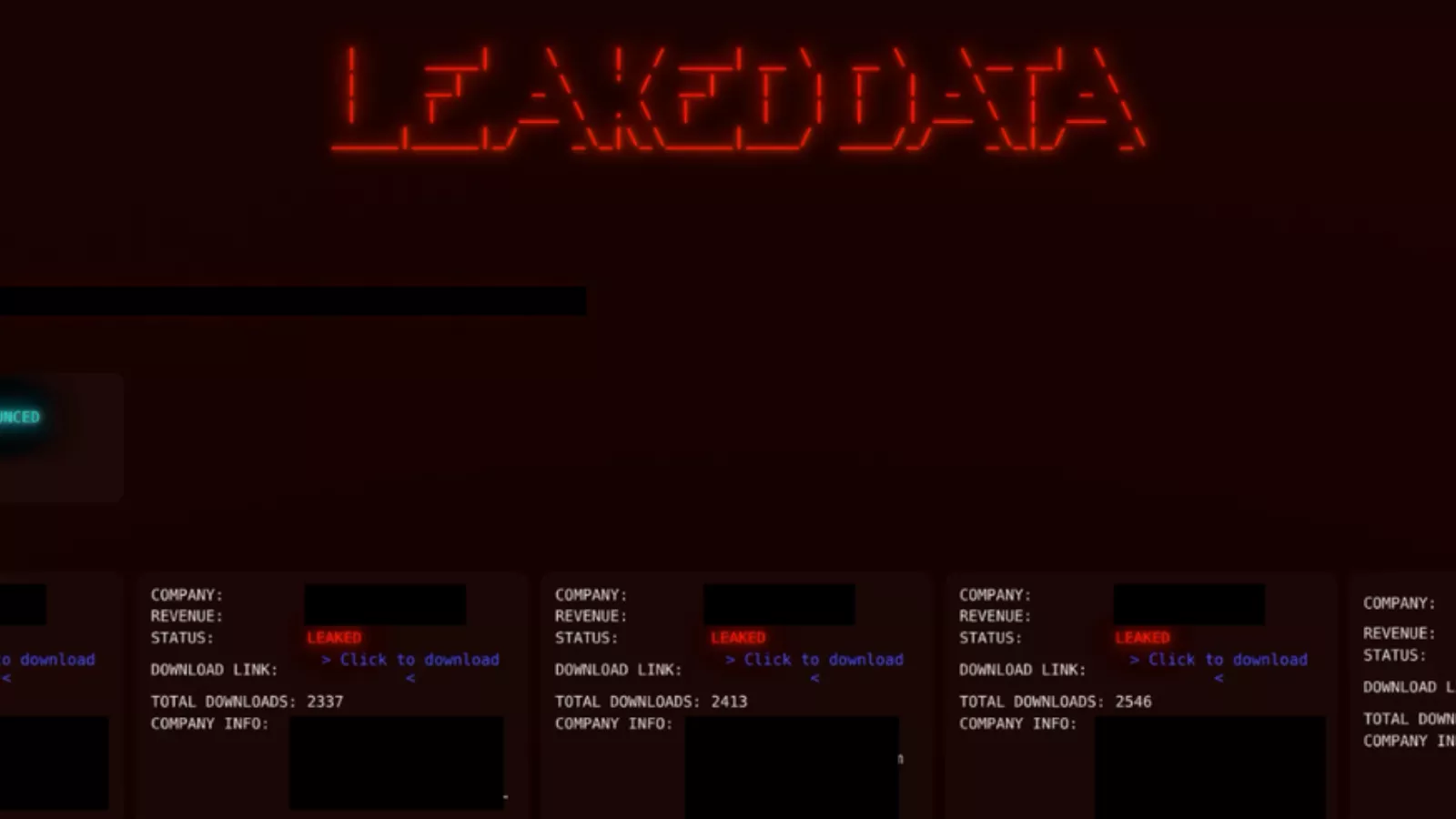
Immediately following a breach, within a mere 30 minutes, UNC3753 dispatches aggressive extortion demands, typically framing a strict three-day window for negotiations. Should the victims fail to comply, the group resorts to harassing employees and clients, coupled with threats to publicize the stolen data on their LEAKEDDATA leak site. This adversarial approach not only exacerbates the pressure on organizations but also puts their reputations and client relationships on the line.
Preventive Measures
Legal and professional services firms are urged to take robust measures to defend against the aggressive tactics employed by UNC3753. Implementing strict access controls and behavioral monitoring can serve as a frontline defense. Organizations should enforce application control policies to block unauthorized RMM binaries and disable USB read/write access across all endpoints, including personal devices used for work.
Furthermore, it is essential for security teams to mandate multi-factor authentication for access to critical systems and actively monitor for unusual traffic, particularly on Port 22 and SSH. These steps collectively create a fortified barrier against the relentless tactics of UNC3753, paving the way for safer business operations in an increasingly hostile digital environment.
In conclusion, as UNC3753 continues to evolve its methods and expand its malicious activities, the need for vigilant security practices and proactive defense mechanisms is more critical than ever. Organizations must remain aware of these ongoing threats and adapt accordingly to protect their sensitive information and operational integrity.