
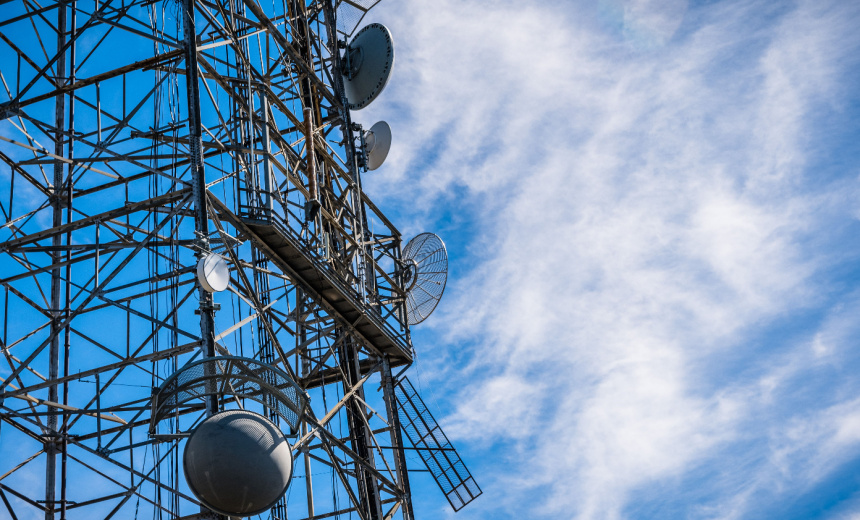


In a move to bolster national security and protect critical infrastructure, President Joe Biden signed an $895 billion bipartisan spending package that includes funding for a federal “rip-and-replace” program aimed at replacing Chinese-made equipment in U.S. telecom networks. The program, spearheaded by the Federal Communications Commission (FCC), has faced a $3 billion funding gap, hindering efforts to eradicate the threat posed by Chinese networking gear.
The funding boost comes in response to mounting national security threats from Chinese hacking campaigns targeting key U.S. political leaders, including President-elect Donald Trump. Chinese hackers, allegedly tied to Beijing’s foreign intelligence service, have infiltrated major telecom networks, compromising sensitive data and call records. The Cybersecurity and Infrastructure Security Agency (CISA) has warned about the continued presence of these hackers in U.S. communications infrastructure, urging government leaders to take precautions such as avoiding SMS-based multi-factor authentication.
FCC Chairwoman Jessica Rosenworcel hailed the passage of the defense bill, emphasizing the importance of removing vulnerable and insecure equipment from U.S. networks. The funding will not only enhance the security of the nation’s communications infrastructure but also ensure that rural communities, which rely heavily on these networks, maintain vital connectivity. The FCC’s Secure and Trusted Communications Networks Reimbursement Program, launched in 2020, received a funding boost to help small carriers replace Chinese-made equipment from companies like Huawei and ZTE, both identified as national security threats.
Experts have stressed the urgency for federal agencies to ramp up efforts against escalating Chinese cyberthreats, highlighting the tech industry’s dependence on Chinese manufacturing and software. The 2025 National Defense Authorization Act (NDAA) focuses on technology, cybersecurity, and artificial intelligence, with provisions aimed at strengthening supply chain resilience and accelerating the adoption of emerging technologies across federal agencies. In addition to funding the rip-and-replace program, the bill allocates $143.8 billion for science and tech research and initiates pilot programs to advance AI usage within the Defense Department.
The funding boost provided in the defense bill underscores the government’s commitment to bolstering cybersecurity and protecting critical infrastructure from foreign threats. With Chinese hackers continuing to pose a significant risk to U.S. national security, the rip-and-replace program plays a crucial role in safeguarding the integrity of the country’s telecom networks. As Congress moves to appropriate the necessary funds, efforts to counter Chinese cyber espionage and secure communication networks remain at the forefront of national security priorities.