


Endpoint Security,
Regulation,
Standards, Regulations & Compliance
Waiver Allows Component Swaps for 1 Year
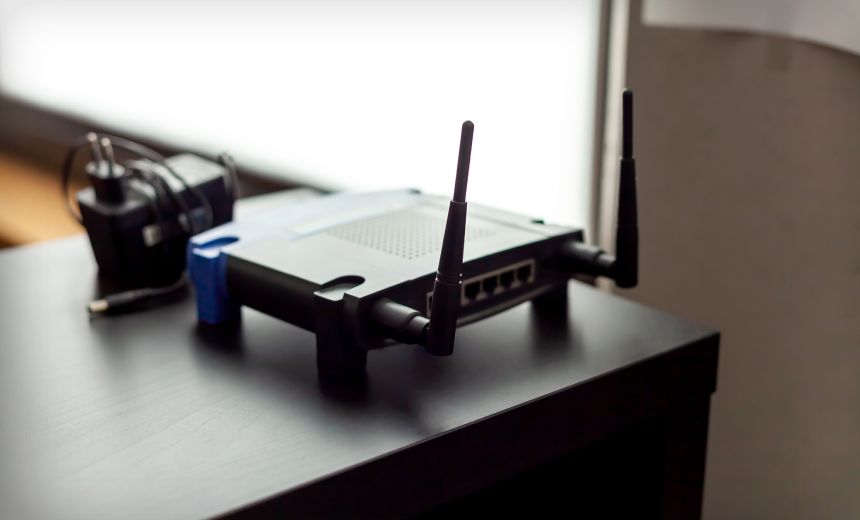
In a significant development, the U.S. Federal Communications Commission (FCC) has granted a request from a prominent lobbying organization representing the cable industry. This decision permits large-scale internet service providers (ISPs) to bypass certain restrictions imposed by the previous administration regarding foreign-made routers. This waiver, approved on June 15, 2026, aims to address concerns surrounding a potential shortage in consumer routers and related components.
The FCC’s order, facilitated by the Office of Engineering and Technology, provides a one-year waiver to major ISPs including Charter, Cox Communications, and Comcast NBCUniversal. This ruling allows these companies to manufacture substitute components for routers that have already received FCC certification, thus avoiding the lengthy recertification process that typically follows any modification in hardware.
The National Cable and Telecommunications Association (NCTA), which represents these companies, sought the waiver after voicing concerns about the impact of a March order that imposed a ban on foreign-made consumer routers. This ban was originally justified on the grounds of national security, specifically citing the risk of cyber-attacks by foreign adversaries, including state-sponsored hackers from China. The NCTA emphasized the urgent need for this waiver, warning that the ban could lead to severe supply-chain disruptions and a subsequent shortage of consumer routers on the market.
The FCC’s existing regulations are informed by findings that highlight the potential cybersecurity threats posed by foreign-manufactured routers. Experts in cybersecurity have criticized the ban, arguing that vulnerabilities in networking equipment are typically linked to a lack of proper updates and maintenance, rather than where the equipment was manufactured. Recent discussions have pointed out that the vast majority of consumer-grade routers are produced overseas, raising questions about the practicality of enforcing such a ban without severely affecting availability for consumers.
During previous months, manufacturers made efforts to secure individual waivers for foreign-made routers, hoping to mitigate the impacts of the ban. The FCC’s decision to extend the cutoff date for approved routers to receive software and firmware updates until January 1, 2029, has also added a layer of complexity to the situation. The commission recognizes that without adequate updates, existing routers will become obsolete and could potentially compromise users’ cybersecurity.
This newly granted waiver is substantial in allowing NCTA members to substitute specific components, including substrate materials and memory modules, in routers that have already been certified. This flexibility means that organizations can continue production and roll out necessary updates without needing to restart the certification process, thereby streamlining operations and addressing public concerns surrounding service continuity.
The FCC stated in its ruling that granting this waiver serves the public interest. It aims to prevent interruptions to broadband service for customers of NCTA members while still adhering to the national security and public safety objectives outlined in the regulations. This balancing act underscores the complex intersection of regulatory compliance, cybersecurity, and the need for uninterrupted consumer services.
As the situation develops, stakeholders in the electronics and cybersecurity sectors will closely monitor the impact of this waiver. The broader implications for the telecom industry, particularly how it affects router availability and cybersecurity measures over the coming year, remain to be seen. There is a consensus that the necessity for vigilance regarding cybersecurity cannot be overstated, even as efforts are made to ensure that consumers have access to the necessary technology.