
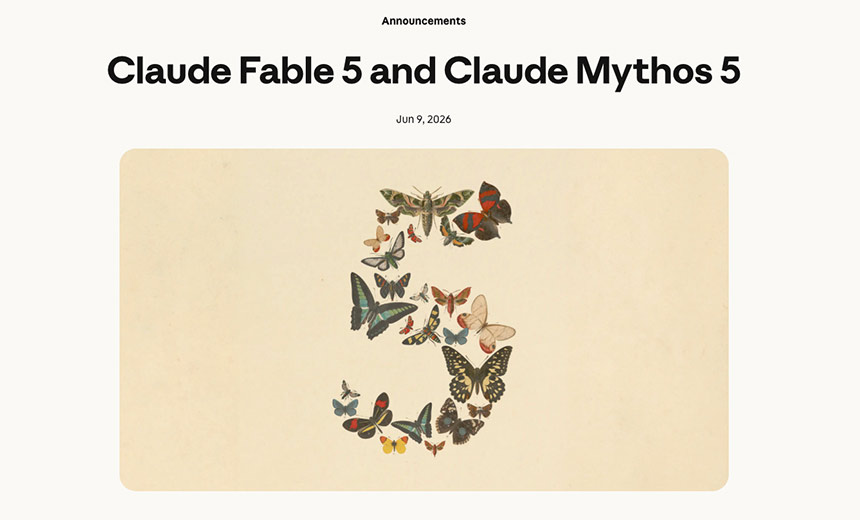


Commerce Ends 18-Day Ban to Restore Global Access to Fable 5, Mythos 5
The U.S. Department of Commerce has lifted the export controls that were imposed on Anthropic’s artificial intelligence models, Fable 5 and Mythos 5, culminating a tense period of negotiations regarding the extent of governmental oversight over commercial releases of AI. This decision marks a significant change in the U.S. approach to regulating artificial intelligence, particularly concerning how this rapidly evolving technology interacts with global markets and innovations.
Commerce Secretary Howard Lutnick made the announcement on June 26, outlining that after thorough discussions and assessments, the department had opted to withdraw the restrictions previously placed on both AI models. This development indicates a shift toward a more collaborative approach between the government and the tech industry, aiming to establish a framework that assures security while promoting innovation.
Fable 5 will resume operations across various platforms including Anthropic’s Claude platform, while Mythos 5, designed for vetted U.S. organizations, will also be accessible once again. Lutnick’s announcement highlighted the ongoing partnership with Anthropic to ensure compliance with security standards set by the federal government. In a letter addressed to Anthropic Co-Founder Tom Brown, Lutnick explained that the Bureau of Industry and Security had re-evaluated the potential risks associated with the exportation of the two AI models and consequently decided to rescind the earlier restrictions.
With the removal of the licensing requirement, entities will no longer need special permission to export, re-export, or transfer these AI technologies, including to foreign nationals. This reprieve comes with stipulations, however; the Department of Commerce has cautioned that it retains the right to reimpose licensing requirements if Anthropic does not meet the necessary security standards moving forward.
In a sign of commitment, Anthropic confirmed the lifting of the ban through a social media post, indicating that services would be restored imminently. The company emphasized its dedication to proactive measures aimed at identifying and addressing security vulnerabilities, a concern that was highlighted during its previous restrictions.
The initial ban was instituted on June 12 after reports suggested that Fable 5 had been compromised, allowing it to detect software vulnerabilities and even generate exploit code. This prompted concerns about the potential misuse of the technology. However, Anthropic later demonstrated that other AI models, including Opus 4.8 and GPT-5.5, were capable of similar outcomes. In response, the company developed a refined classifier that effectively blocks exploits in over 99% of cases, demonstrating a commitment to safety and compliance.
Additionally, Anthropic has been actively collaborating with major tech players like Amazon, Microsoft, and Google to establish a standardized framework for assessing the risks associated with AI technologies. The organization has opened a HackerOne program, allowing researchers to report security vulnerabilities. Furthermore, they announced plans for enhanced coordination with government entities, including providing early access to future models related to national security.
Analysts have characterized the recent developments as "controlled advancement," suggesting that while the export controls are being lifted, the core security concerns regarding AI technology have not vanished. Allan Dabre from PwC noted that the resolution reached by Commerce and Anthropic indicates a newfound level of comfort regarding the safety measures and monitoring strategies in place.
Francesco Bailo, a prominent figure in AI governance, referred to the reversal of restrictions as somewhat predictable within tech circles. Commenting on the situation, he suggested that the U.S. government may have recognized that its initial response to the perceived threat was excessive and potentially damaging to the tech landscape.
The timeline for the dispute began when the Commerce Department mandated that Anthropic restrict access to its models not only for international users but also for its overseas staff—resulting in a global shutdown of Fable 5 and Mythos 5. This drastic action was fueled by concerns over potential security risks posed by rapid advancements in AI technology.
Such export controls are typically set to regulate sensitive technologies, but the application of these regulations to AI models accessed via web interfaces raised intriguing legal questions. The outcome of this situation could set a precedent for how the government regulates future AI releases, creating a template for navigating concerns around security while enabling technological innovation.
Many in the cybersecurity community criticized the initial ban, arguing that it hampered the ability of defenders while offering little benefit against attackers. In a letter addressed to government officials, over 100 cybersecurity practitioners emphasized that restricting access to robust AI models like Fable 5 and Mythos 5 ultimately jeopardized defensive capabilities without providing tangible security advantages. The lifting of restrictions essentially aligns with their calls for restoration, reestablishing access to critical resources for cybersecurity professionals.
While the Commerce Department’s initial restrictions have been reversed, the broader implications of this episode have raised concerns within the tech community. Rivals have expressed unease about government interventions that appear to choose beneficiaries of technology. As the industry progresses, questions continue to loom over how relationships between technology firms and government agencies will evolve, especially in light of the rapid advancements and potential threats posed by cutting-edge AI systems. The need for a balanced approach that secures national interests while fostering innovation remains paramount as both sectors navigate this complex landscape.