
Top Democrat Warns States Are Losing Federal Cyber Defense Support
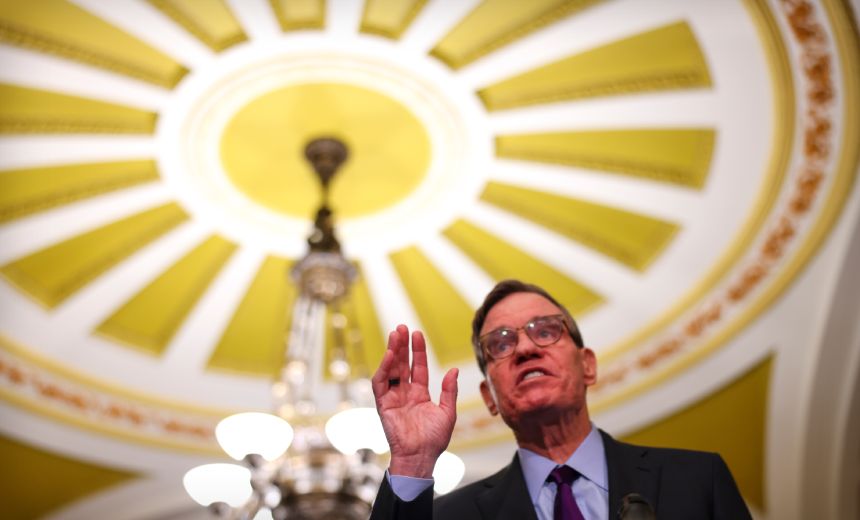
In an alarming development ahead of the November midterm elections, a prominent U.S. Senate Democrat has expressed deep concerns regarding the diminishing federal support for election security. Senator Mark Warner, a Democrat from Virginia and the ranking member of the Senate Intelligence Committee, highlights that recent cuts to the Cybersecurity and Infrastructure Security Agency (CISA) may undermine the cyber defense capabilities of states, leaving them vulnerable to both physical and cyber threats.
In a letter addressed to the newly confirmed Homeland Security Secretary Markwayne Mullin, Senator Warner seeks vital information about how many personnel are currently dedicated to election security efforts at CISA and what programs are still operational within the agency. The senator has taken a proactive stance, urging for transparency and accountability at a time when fortified election security is crucial.
"I am gravely concerned about the lack of critical federal support to state and localities ahead of the 2026 midterms," Warner stated in his correspondence. Such concerns are not unfounded, as the senator has accused the Trump administration of severely weakening the previously established trust between federal entities and state election officials by dismissing a significant portion of CISA’s workforce earlier this year. Furthermore, the administration’s budget proposal for the upcoming fiscal year threatens to eliminate election security as a core mission of CISA entirely.
The ramifications of these budgetary cuts are profound. Senator Warner noted that although states are making significant financial investments to safeguard their elections, it is impractical for them to independently procure the necessary intelligence, expert knowledge, and timely incident reports needed to effectively manage cyber threats. The senator emphasized the collaborative nature of election security, indicating that state efforts are dependent on robust federal support for intelligence and resources.
In his message, Warner has requested a comprehensive array of documents from both the Department of Homeland Security (DHS) and CISA, including breakdowns of personnel working on election security, records of assistance requests from states, and summaries of training exercises conducted since January 2025. He also seeks access to an internal review of election security by CISA, which has not yet been made public. These requests reflect a growing demand for clarity regarding the future of election security in the nation.
Warner is not the only one raising alarms about the state of election security. Current and former officials have voiced serious concerns about CISA’s operational viability, particularly given that the agency has been without a Senate-confirmed director since the beginning of the second Trump presidency. This leadership vacuum, coupled with significant cuts to personnel and mission scope, raises questions about the agency’s ability to fulfill its mandate.
Additionally, the agency has reportedly shifted into a much more reactive posture in terms of cyber defense, a significant departure from the proactive stance needed to adequately protect electoral integrity. This reactive stance limits CISA’s effectiveness and could jeopardize states’ ability to respond to imminent threats.
With mounting scrutiny and escalating concerns about the security of upcoming elections, the implications of diminishing federal support for CISA cannot be overlooked. States rely heavily on federal expertise and resources to navigate the complexities of modern cybersecurity threats. As more information comes to light regarding the federal government’s plans, or lack thereof, the electoral landscape will be keenly watched by officials and citizens alike, all of whom have a vested interest in maintaining the integrity of the democratic process.
In summary, the warning from Senator Warner serves as a clarion call to not only address the immediate concerns surrounding election security but also to engage in a broader discussion about the role of federal support in safeguarding the democratic process against evolving threats. As the nation approaches the critical midterms, the importance of secure and reliable elections cannot be overstated.