
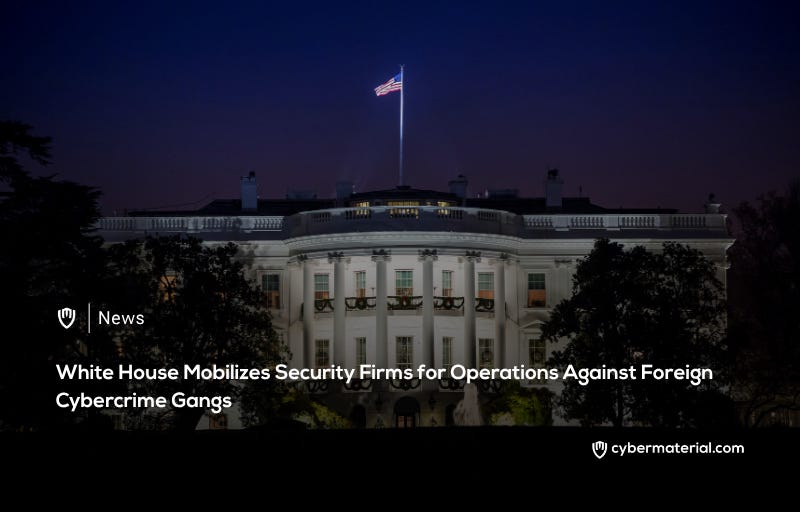


The White House has recently unveiled an initiative aimed at engaging private security firms in efforts against foreign cybercrime organizations. This program introduces stringent financial accountability measures, requiring participating companies to post a bond of $1 million. This bond will be forfeited if the firms fail to meet certain operational standards set by the government.
This new strategy represents a significant departure from previous interactions between the U.S. government and the private sector in the realm of cybersecurity. By mandating substantial financial commitments from these firms, the administration seeks to ensure that participants are genuinely invested in the program’s goals and are dedicated to maintaining operational standards during missions against international cyber threat actors.
The bond requirement functions as both a barrier to entry and a means of ensuring compliance. Security firms interested in joining the initiative must demonstrate a substantial level of financial stability and a genuine commitment to the objectives of the program. The potential loss of the bond creates an immediate financial incentive for companies to adhere diligently to their contractual obligations. Should they fail to do so, the repercussions are not just reputational but also financially detrimental, which could dissuade firms from participating if they are unsure about their ability to meet the rigorous standards expected of them.
The initiative specifically targets foreign cybercrime gangs that often operate outside the reach of U.S. law enforcement. When traditional law enforcement agencies encounter these groups, they often face numerous obstacles due to jurisdictional issues. By enlisting private security firms, the government hopes to bridge this gap and enhance its operational capabilities against these sophisticated cyber threats. The approach aims to facilitate swifter responses to emerging cyber risks, leveraging specialized skills from commercial security providers that are often more agile and better equipped to handle digital threats.
Security firms contemplating participation in this initiative face a multitude of considerations. They must carefully evaluate the operational demands and risks associated with the program before committing to it. Each organization needs to assess whether they possess the requisite technical capabilities, legal expertise, and the financial resources necessary to meet the established standards. Additionally, firms must examine their existing insurance coverage and consult with legal experts regarding any potential liabilities that may arise from operations targeting foreign cybersecurity threats.
The move indicates a broader recognition of the importance of public-private partnerships in addressing contemporary security challenges. Cyber threats have evolved rapidly, and the government is now capitalizing on the strengths of the private sector to enhance its proactive measures. By integrating private security firms into its strategy, the administration hopes to pool resources, skills, and intelligence, creating a more formidable front against criminal organizations that exploit the vast opportunities offered by digital platforms.
Critics and supporters alike will be watching closely to see how this initiative unfolds. There are concerns about the implications of involving private firms in national security operations and the potential for misaligned interests. Questions regarding the adequacy of oversight and the accountability of these firms will likely arise, as the balance between leveraging private resources and ensuring public safety is navigated.
In conclusion, the White House’s initiative to recruit private security firms for operations against foreign cybercrime organizations reflects an evolving landscape in the cybersecurity domain. With substantial financial stakes involved, this program exemplifies a strategic approach to bolster the nation’s capabilities in dealing with complex cyber threats. As the initiative progresses, the focus will remain on ensuring that private sector contributions are aligned with national interests and that the engagements are both effective and responsible in nature. The outcome of this novel collaboration could set a precedent for future public-private security partnerships, ultimately reshaping the way cyber threats are addressed at both domestic and international levels.
Source: SecurityWeek