
Agentic AI,
Artificial Intelligence & Machine Learning,
Black Hat
Former US Cyber Director on Cooperation, AI Supply Chains, and National Security
The trajectory of U.S. national security in the era of artificial intelligence hinges critically on several interrelated factors: technological leadership, robust supply chains, and strategic cooperation with international allies. The advent of autonomous systems has considerably reshaped the landscape of cybersecurity and redefined geopolitical competition.
See Also: Why an AI Harness May Matter More Than the Latest Model
Chris Inglis, the former U.S. national cyber director and deputy director of the NSA, has provided insights into the evolving dynamics of AI and its implications for national security. He emphasized that while safeguarding American artificial intelligence models from intellectual property theft is crucial, merely restricting access to advanced models is insufficient to maintain U.S. leadership in this rapidly advancing domain. “China has already demonstrated how access to AI can empower a nation, and this proves that leadership can’t be maintained through isolation,” he stated.
Inglis further elaborated on a pressing issue: AI supply chains are inherently global, transcending national borders and restricting any single country’s ability to secure technology in isolation. He argued that “When two countries collaborate, they can achieve outcomes that neither could realize independently, ultimately benefiting both populations.” This points to the necessity of a collaborative approach rather than one that prioritizes “America-only” strategies.
The Five Eyes intelligence alliance, which comprises the United States, Canada, the United Kingdom, Australia, and New Zealand, along with the U.S.-UK partnership, exemplifies effective models for sharing information while balancing national and proprietary interests. Inglis indicated that this cooperative framework is not only applicable for traditional intelligence gathering but also for addressing emerging threats posed by autonomous AI systems, which may operate without any identifiable connections to nation-states or criminal organizations.
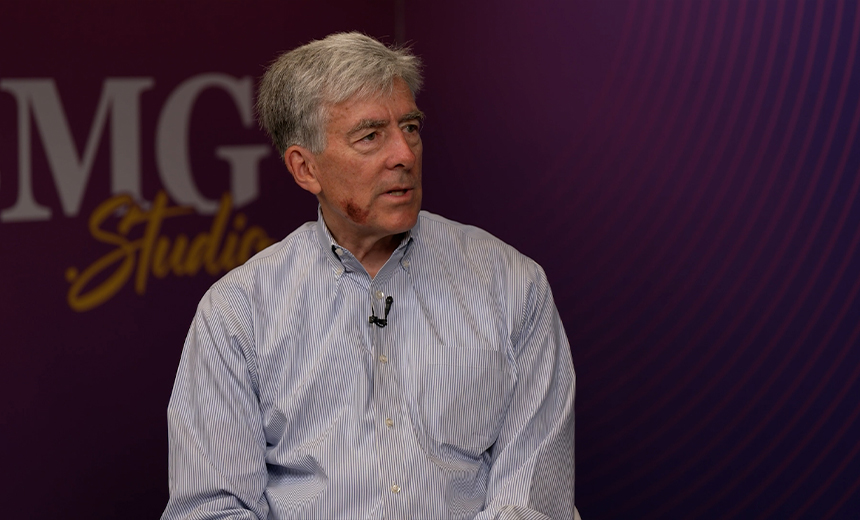
In a video interview featured at Black Hat USA 2026, he discussed critical aspects of AI-related cybersecurity:
- The “good, the bad, and the ugly of AI security” that defines today’s threat environment;
- The imperative that “America first” should not equate to “America only” when dealing with technology and semiconductor supply chains that intersect multiple nations;
- The vital need for collaboration among government entities, industry players, and international partners to combat AI-enabled cyber threats and ransomware.
Inglis has an impressive background that enhances his authority on this subject. Serving the federal government for over four decades, he was instrumental as the nation’s first national cyber director from 2021 to 2023. Prior to that role, he spent 17 years at the NSA and served in the U.S. Air Force and Air National Guard for more than 30 years, retiring as a command pilot at the rank of brigadier general. His career has also included work for WestExec Advisors, a consulting firm based in Washington, D.C.
In a world where the stakes are increasingly high, Inglis’ insights reflect a broader need for collective action and shared responsibility in managing the challenges and possibilities that artificial intelligence presents. The ongoing evolution of AI and its implications for national security demand a reevaluation of traditional isolationist approaches, urging a pivot towards collaboration that extends beyond American borders. As cybersecurity continues to intertwine with geopolitical considerations, the clear message is that sustainable technological leadership is best achieved through cooperation, not isolation.