
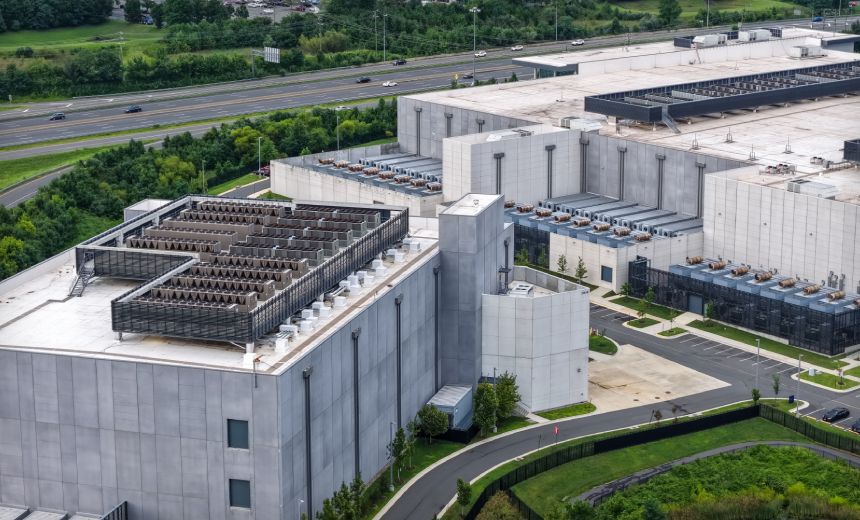


Northern Virginia Data Center Operators Face Drone Security Challenges
In recent days, the vulnerability of data centers to physical attacks has been underscored by a series of drone strikes on facilities owned by the Russian tech giant, Yandex, in Ukraine. These strikes, which have targeted three of Yandex’s five large data centers within just four days, have raised alarms regarding the security of facilities responsible for managing cloud services and artificial intelligence (AI) development. Following the drone attack on its data center in Vladimir, located to the east of Moscow, Yandex confirmed that operations at that site had ceased. This incident came on the heels of similar strikes on its facilities in Sasovo and the Kaluga region, fueling concerns over the safety of critical infrastructure.
The nature of these drone attacks has sparked a dialogue about the potential vulnerabilities inherent in data center operations, particularly in regions with heightened geopolitical tension. While Yandex has struggled to ascertain whether the equipment at the Sasovo site—home to two supercomputers used for AI development—can be repaired, external users of services provided by companies like Russian Railways and telecom operator MegaFon have reported outages following the drone strikes.
In contrast to this increasingly precarious situation internationally, data center operators in Northern Virginia, particularly in Loudoun County—recognized as having the highest concentration of data centers globally—find themselves facing their own regulatory hurdles. Despite the pressing need for enhanced security measures, these operators currently lack the authority to act against drone threats independently. The Federal Aviation Administration (FAA) has clarified that its mandate focuses on safety rather than security and that it has granted select federal agencies the authority to address credible drone threats, leaving private operators in a precarious position.
As Yandex Cloud reacted to the drone strike in Vladimir, the company urged customers to activate their disaster recovery plans as the platform entered emergency mode, an indication of the disruption caused by these attacks. This situation comes on the heels of a statement from Ukrainian President Volodymyr Zelenskyy, who noted that Ukraine is responding in kind to acts of aggression, including drone strikes by Russia that have impacted Ukrainian data centers and disrupted services to around 100,000 households in Kyiv.
Data centers in Virginia’s Loudoun County—boasting approximately 233 data center buildings covering over 56 million square feet—are primarily considered targets for cyberattacks rather than physical breaches. Armed security measures, gated entrances, and fenced perimeters are standard practices employed to safeguard these facilities. The Loudoun County Sheriff’s Office collaborates with security directors from various sites to bolster preparedness for emergencies, highlighting a proactive approach to potential threats.
The incidents involving Yandex serve as a cautionary tale for data centers worldwide. Private operators have been left with limited legal authority when it comes to drone interventions. Although Congress passed the Safer Skies Act in December 2025, extending limited counter-drone powers to trained law enforcement agencies at various levels, the legislation does not extend to private companies. A recent bill introduced by Senator Tom Cotton aims to expand this authority, allowing trained security personnel at critical infrastructure sites—which include nuclear plants and substations—to neutralize threatening drones. Data centers would fall under this expanded jurisdiction only if designated as high-risk by the homeland security secretary.
In May, the FAA proposed rules that could enable operators across 16 critical infrastructure sectors to petition for drone flight restrictions over their properties. This move, almost a decade in the making, highlights the evolving landscape of drone and data center security, as stakeholders recognize the pressing need to address vulnerabilities. While public commentary on these proposed regulations closed in August, the implications of inadequate protection are starkly illuminated by the situation unfolding in Ukraine.
In conclusion, the collisions of drone warfare and data center security expose a new frontier in the ongoing battle for cybersecurity and critical infrastructure protection. As international dynamics evolve and domestic regulatory frameworks adapt, the balance between innovation and safety continues to be tested. The future of data centers in regions like Northern Virginia hangs in the balance, necessitating urgent discussions on legal frameworks and security protocols to protect these vital facilities from becoming easy targets in an increasingly hostile landscape.