


The Rise of Work Panel: An Evolved Threat in Cybercrime
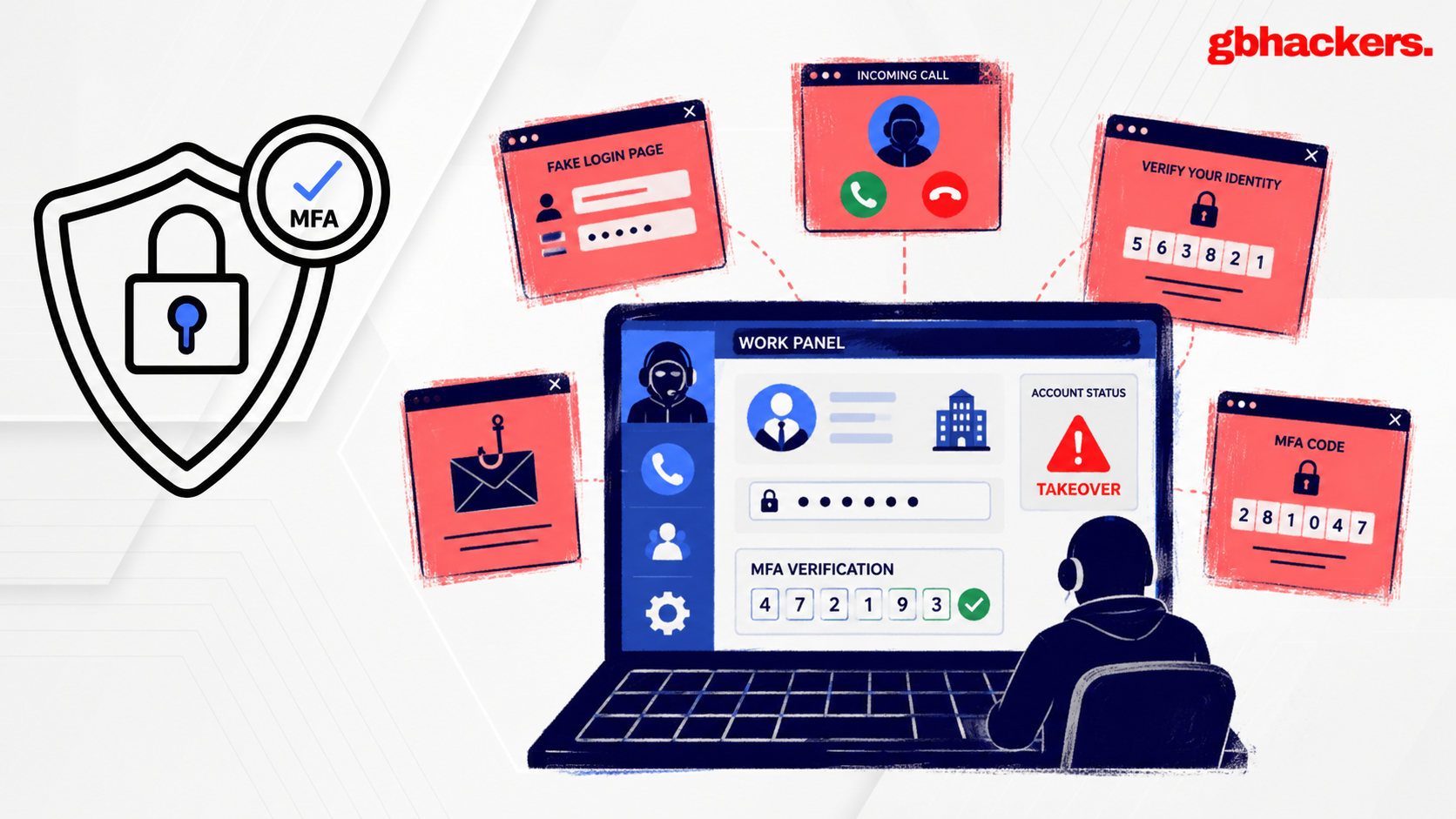
In the ever-evolving landscape of cybercrime, a platform known as "Work Panel" has emerged as a particularly sophisticated tool for malicious actors, revolutionizing the way phishing and vishing attacks are orchestrated. This platform serves as a comprehensive turnkey solution, industrializing enterprise account takeovers and the theft of multi-factor authentication (MFA) credentials. By consolidating various elements such as infrastructure automation, role-based operations, and real-time credential harvesting into a singular, user-friendly console, Work Panel exemplifies the darker aspects of cybersecurity today.
Historically, phishing was typically carried out using static kits that required significant manual effort and expertise. However, this approach has morphed into a resilient cybercrime-as-a-service (CaaS) ecosystem that thrives on scalability and specialization. The evolution from something as rudimentary as HTML kits to structured, service-oriented solutions reflects a broader trend in the cybercriminal landscape aimed at mitigating risks associated with law enforcement crackdowns.
What sets Work Panel apart is its exceptional integration of multiple components normally associated with legitimate SaaS offerings. Rather than merely distributing phishing kits, the platform encapsulates domain registration, DNS management, content delivery networks (CDNs), and brand cloning while also incorporating session monitoring and strict access controls. These features mirror the operational frameworks of conventional software-as-a-service systems, effectively blurring the lines between legitimate business practices and digital criminality.
The operating mechanics of Work Panel allow various threat actors to collaborate on their endeavors. Multiple users can simultaneously run parallel attacks utilizing their own API keys and hosting services while sharing the same orchestration layer. This organizational structure enables a level of efficiency and scalability that was previously unheard of in cybercrime, maximizing the potential for financial gain and minimizing operational downtime.
With user-friendly, one-click functionalities, operators can effortlessly register new phishing domains, clone legitimate login interfaces, and establish isolated phishing sites in mere minutes. This rapid deployment significantly reduces the transition time from conceptualizing a campaign to executing an account takeover. The operational backend of Work Panel is similarly optimized; infrastructure provisioning is automated through partnerships with services like NiceNIC for domain registration, Cloudflare for DNS management, and Bunny CDN for traffic redirection.
Each phishing site operates as an isolated instance, equipped with dedicated processes and configurations. This segmented design ensures that the takedown of a single domain does not cripple the entire operation. This strategy is akin to tactics employed by other platforms specializing in bypassing multi-factor authentication, such as Tycoon 2FA and W3LL. Furthermore, administrators can activate a built-in “kill switch” to swiftly dismantle active domains, processes, and DNS records when faced with potential law enforcement intervention.
Okta’s threat intelligence team has provided insight into the operational nuances of Work Panel, detailing its function as an advanced web application tailored to support voice phishing (vishing) teams targeting major identity providers, including Okta, Microsoft 365, and Salesforce. This sophisticated interface allows vishing operators to engage victims and harvest sensitive information effectively.
Work Panel enforces a well-defined hierarchy among its users, incorporating distinct roles such as admin, manager, and caller. This stratification is supported by server-side access controls that compartmentalize sensitive data, ensuring that lower-level users, particularly callers, are focused solely on executing the vishing calls without gaining access to critical stolen data. The management of the operation remains centralized among campaign managers and administrators.
Callers, often low-level personnel sourced from underground forums, employ pretexting scripts and integrated tools for their interactions. Features like the Company Lookup tool assist in identifying targets by pulling employee information from commercial data sources, allowing for highly targeted social engineering tactics aimed at organizations, including educational institutions and enterprises.
Managers oversee live sessions through a real-time dashboard, monitoring victim interactions while facilitating scripted phishing scenarios. Captured credentials are securely funneled into a session panel accessible only to managers, who can utilize connected Telegram bots to exfiltrate information almost instantaneously. Administrators maintain control over the entire operation, managing everything from API keys to coordinated phishing templates, while ensuring compliance through detailed logs.
Work Panel is emblematic of a broader trend where cybercriminal activities are increasingly professionalized. By treating social engineering as a labor-intensive yet interchangeable task, the platform underscores a disturbing reality: organized cybercrime is beginning to resemble traditional business structures with clear divisions of responsibilities and access controls.
For organizations looking to defend against such threats, the existence of platforms like Work Panel signifies that simply implementing MFA is not sufficient. Recognizing and mitigating risks associated with adversary-in-the-middle attacks and vishing strategies requires employing more robust measures, including phishing-resistant MFA protocols (for example, FIDO2 and passkeys), stringent help desk procedures, and behavioral monitoring systems to detect unusual activities.
In summary, the Work Panel serves as another stark reminder that the fields of cybersecurity and cybercrime are constantly evolving. Organizations must adapt their strategies and defenses to mitigate these evolving threats in order to protect sensitive information and maintain operational integrity.