
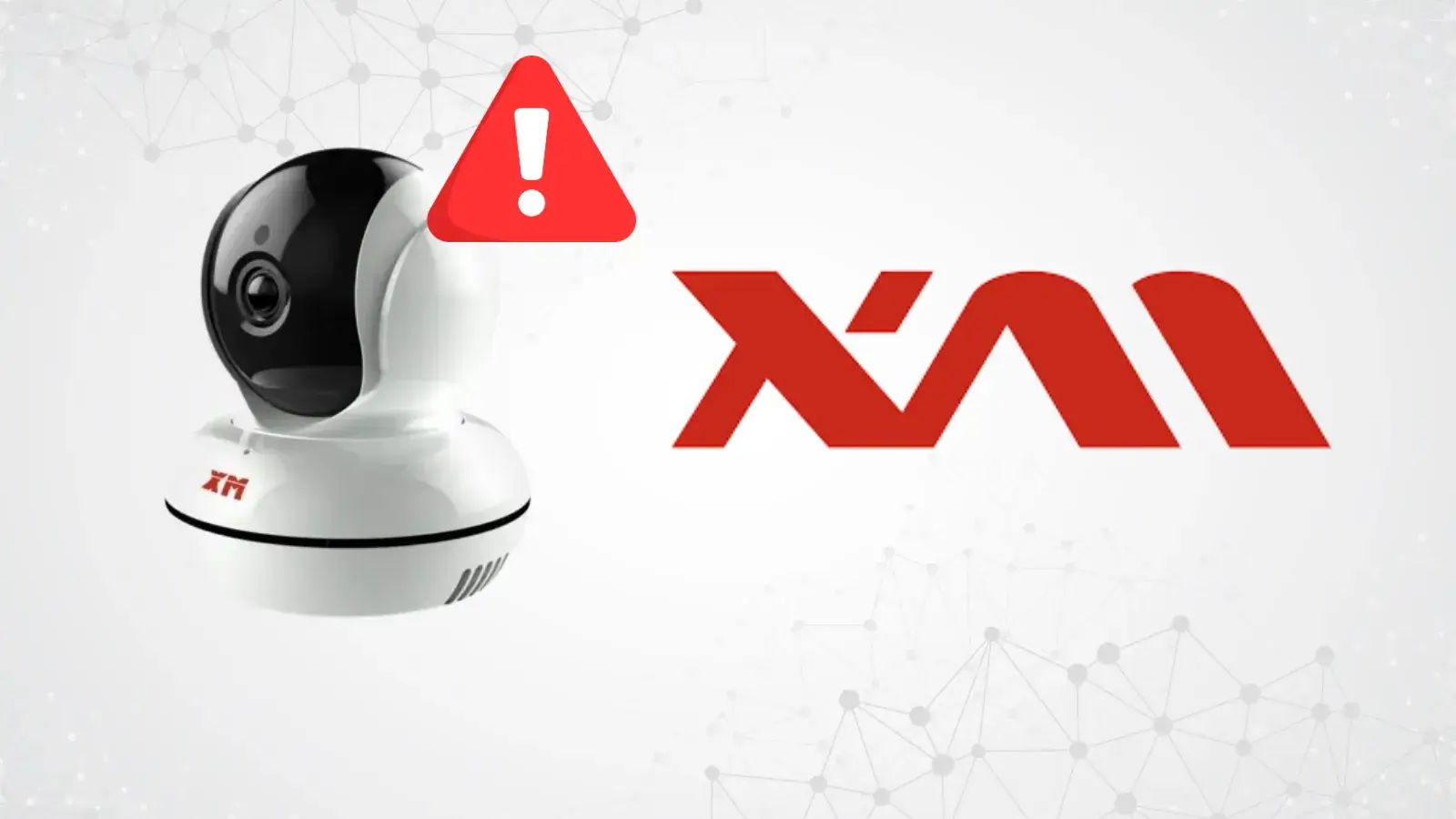
Critical Security Vulnerability in Hangzhou Xiongmai Technology’s XM530 IP Cameras Poses Significant Risks to Commercial Facilities
A serious security vulnerability has been discovered in the XM530 IP Cameras manufactured by Hangzhou Xiongmai Technology, which could endanger numerous commercial facilities globally. This alarmingly significant flaw allows remote attackers to bypass authentication protocols, granting them unauthorized access to sensitive device information without much difficulty. The severity of the situation prompted the Cybersecurity and Infrastructure Security Agency (CISA) to issue an official alert detailing the risks associated with this vulnerability on April 23, 2026.
Critical Vulnerability Details
The vulnerability is formally tracked as CVE-2025-65856 and has garnered a formidable CVSS v3 score of 9.8 out of 10, indicating its high level of severity. The core issue appears to reside in a missing authentication check concerning a crucial function within the camera’s firmware. This lapse enables unauthenticated attackers to remotely access sensitive data, potentially endangering the integrity of the device and its network connections.
What amplifies the concern is the widespread deployment of these IP cameras, particularly within commercial sectors, where they are integral to surveillance and security systems. The ubiquity of this device makes it a lucrative target for malicious actors looking to exploit any weakness.
While CISA has clarified that no active exploitation of this vulnerability has yet been reported in real-world scenarios, the risk remains alarmingly high. The availability of a public Proof of Concept (PoC) exploit crafted by security researcher Luis Miranda Acebedo and reported to MITRE further exacerbates the situation. This PoC lowers the barrier for entry for potential attackers, making it easier to scan for and exploit vulnerable devices.
Immediate Actions for Network Administrators
In light of these revelations, network administrators are urged to conduct immediate audits of their environments to identify any exposed hardware that could be impacted by this vulnerability. The specific hardware and firmware releases affected by this vulnerability include the IP Camera XM530V200_X6-WEQ_8M firmware V5.00.R02.000807D8.10010.346624.S.ONVIF_21.06.
CISA strongly advises organizations to adopt proactive defensive measures instead of relying solely on an official firmware patch, which may not be immediately available. Administrators should take the following crucial steps to mitigate risks:
-
Minimize Network Exposure: Ensure that IP cameras are never directly accessible from the open internet. Remote access should be tightly controlled.
-
Secure Network Locations: Place affected devices and control system networks behind robust firewalls to isolate them from unauthorized access.
-
Isolate Camera Hardware: It is essential to keep the camera hardware completely separate from standard corporate business networks to limit exposure to potential threats.
- VPN Use for Remote Access: Implement the use of updated Virtual Private Networks (VPNs) for any necessary remote administrative access. This will create an additional layer of security against unauthorized entry.
Additional Recommendations for Organizations
CISA also highlights the importance of conducting thorough impact analyses and risk assessments before deploying new defensive measures. Alongside technical precautions, organizations must nurture a culture of vigilance among their staff against social engineering and phishing attacks. Employees should be cautious about unsolicited links or attachments that may facilitate unauthorized access.
For organizations that observe suspicious activity related to the vulnerable devices, timely reporting to CISA is encouraged. This will aid in tracking and incident correlation, ultimately contributing to a broader understanding of the threat landscape surrounding these devices.
In conclusion, the discovery of this critical vulnerability in the XM530 IP Cameras from Hangzhou Xiongmai Technology necessitates immediate attention from network administrators and organizations that employ this technology. By taking proactive steps, they can effectively mitigate risks and protect sensitive data from fallacious exploitation. Given the significance of this issue, maintaining security vigilance is paramount, particularly as malicious actors continuously seek to exploit emerging vulnerabilities.