


The Importance of Hospitality in Modern Business Environments
In contemporary discussions about workplace culture, the notion of hospitality has emerged as a crucial concept that transcends traditional boundaries. Contrary to popular belief, hospitality is not solely associated with the travel or dining sectors; it is increasingly recognized as a vital component across various industries. As organizations adapt to an evolving landscape shaped by artificial intelligence (AI) and shifting leadership roles, fostering a hospitable environment for both employees and customers has become imperative.
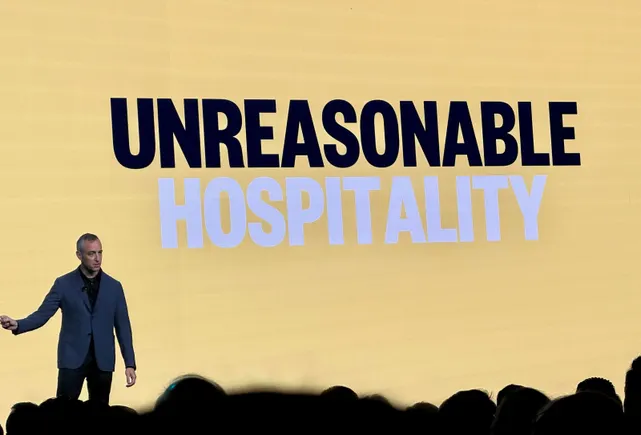
At the Gartner IT Symposium held in Orlando, Florida, Will Guidara—former owner of Eleven Madison Park, one of the world’s best restaurants—shared insights into the significance of hospitality within the workplace. In his keynote speech, he emphasized that in the current business climate, where the competitive advantage often hinges on technological prowess, establishing strong human relationships has never been more critical. This shift underscores the need for effective communication and emotional intelligence in leadership roles to navigate a workforce increasingly influenced by AI.
Guidara posited that the essence of hospitality often resides in the small, daily gestures that leaders extend toward their employees. For instance, rather than rushing into their offices and focusing on tasks at hand, leaders should make it a priority to acknowledge their staff with a simple greeting each morning. This notion, while seemingly minor, carries substantial weight in cultivating a culture of appreciation, engagement, and connection.
In Guidara’s experience, many business leaders are preoccupied with the quality of their products or services in their quest for competitive advantage. However, he argues that no product or service guarantees long-term success, as competitors will inevitably develop superior alternatives. The enduring advantage that organizations can cultivate stems from the relationships built through genuine hospitality and thoughtful engagement with employees and clients. “The only competitive advantage that exists over the long term comes through hospitality,” he stated. Relationships take time to build, and in guiding them with creativity, consistency, and generosity, organizations can engender lasting loyalty.
As AI technology evolves, it is becoming increasingly effective at commoditizing essential functions within organizations, making it imperative for leaders to distinguish their companies by how they nurture and maintain human relationships. Practical demonstrations of hospitality, such as meaningful gift-giving and creating team traditions, can serve as vital tools to foster connection among team members. Yet, caution is advised. Guidara warns against treating gift-giving as a mere formality, arguing that thoughtful, personalized gifts resonate far more profoundly than generic company swag.
Reflecting on past experiences, he shared anecdotes from his early career, highlighting the significance of annual traditions in fostering camaraderie and bonding. In his previous role at a newspaper, for example, staff engaged in team-building activities that transcended daily work discussions, allowing for deeper connections and understanding among colleagues. Thus, meaningful events and genuine gifts can create opportunities for open communication and a sense of belonging within teams.
However, the pitfalls of thoughtless gestures should not be overlooked. There are instances where superficiality can backfire, as Guidara recounted a humorous yet poignant story about a gift swap gone wrong involving outdated company merchandise. Such missteps illustrate the necessity for leaders to approach hospitality with intentionality and care. According to Guidara, genuine thoughtfulness transforms simple gestures into expressions of appreciation and recognition, essential for engendering a positive workplace culture.
In light of financial constraints that many organizations face, heartfelt gestures need not be extravagant. Simple acts like acknowledging team members’ achievements, offering them ownership over projects, and actively engaging in open communication can significantly enhance employee morale and a sense of belonging. This fosters resilience and a dedicated workforce eager to contribute meaningfully. Leaders are encouraged to offer constructive feedback, celebrate team successes, and promote team involvement in goal-setting activities, as fostering inclusivity leads to more innovative solutions.
As technology continues to automate numerous business functions, the focus of CIOs and other leaders should gravitate toward building and maintaining human relationships. At the heart of this transformation lies an investment in creating an environment characterized by abundant hospitality—a commitment to understanding, recognizing, and nurturing the intrinsic value that each employee brings to the organization.
Ultimately, the conversation surrounding workplace hospitality entails far more than conventional perceptions; it beckons leaders to understand that emotional investment yields tangible rewards. This "unreasonable hospitality" is not contingent upon budget constraints but flourishes through thoughtfulness and intentionality, cultivating a workplace where relationships matter above all. As organizations adapt to the future, the reminder remains clear: genuine hospitality will always stand as a key differentiator, ensuring sustainable success in an ever-changing marketplace.