


Cybersecurity Alerts: An Overview of Current Threats and Breaches
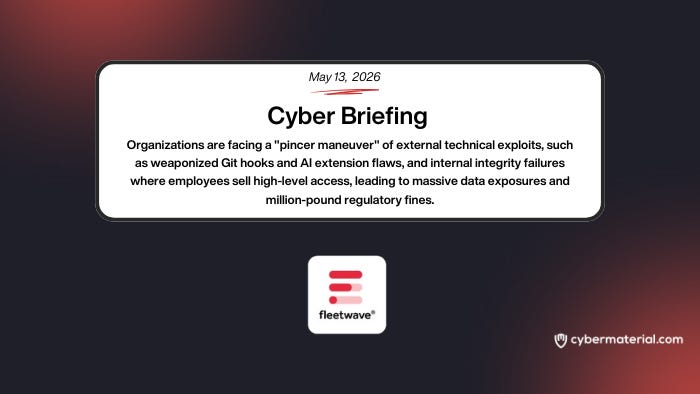
In the fast-paced realm of cybersecurity, new challenges emerge daily, underscoring the evolving techniques of cybercriminals and the vulnerabilities within organizational systems. Recent reports shed light on a series of alarming developments that highlight both the sophistication of attacks and the internal issues that many businesses face.
This week, North Korean cyber actors intensified their malicious activities, updating their "Contagious Interview" campaign. By taking advantage of Git hooks—an integral part of software development workflows—these attackers have devised a method to deliver malware while masquerading as recruiters. They trick potential victims into cloning compromised GitHub repositories, which appear to host legitimate coding assessments. Once the repositories are cloned, hidden malware is stealthily executed through Git’s hook mechanism. This alarming tactic underscores the necessity for software developers to exercise extreme caution when evaluating job opportunities and to meticulously inspect any repositories before cloning. Organizations are strongly advised to foster a culture of vigilance, encouraging developers to review Git hook configurations associated with any third-party projects they engage with.
Furthermore, a newly identified vulnerability known as ClaudeBleed poses an essential risk to users of Anthropic’s Claude Chrome extension. This critical flaw allows malicious browser extensions to exploit the AI tool, extracting sensitive information from users’ Gmail, Google Drive, and GitHub accounts. Even extensions lacking declared permissions can manipulate the tool to function as a backdoor for data theft. Users of the Claude extension are urged to audit their installed browser extensions immediately and to monitor their accounts diligently for any signs of unauthorized access until an official patch is released.
The cybersecurity landscape is further complicated by a noticeable increase in insider threats. A recent survey conducted in the UK revealed that one in eight employees, particularly those in senior positions, admitted to selling their corporate login credentials. This statistic highlights a concerning trend where access rights are commoditized, creating serious vulnerabilities for organizations. Given that senior employees often hold greater privileges than others, the exposure from compromised accounts becomes exponentially more dangerous. To combat this trend, organizations must implement stricter access controls, continuously monitor for potential credential leaks, and educate employees about the dire consequences of trading access.
In the wake of various high-profile breaches, companies are grappling with the fallout from these incidents. The SaaS provider FleetWave recently confessed to a security breach that compromised operational data, payroll information, and contact details of their users. The breach’s severity was magnified by the company’s delayed response; it took FleetWave a month to restore systems and notify customers, who are now on high alert for phishing attempts exploiting compromised credentials.
Regulatory repercussions are also taking their toll, as seen in the case of South Staffordshire Water. The utility company was recently fined £1 million by the UK’s Information Commissioner’s Office following a significant data breach that exposed the personal information of over 633,000 customers and employees. The intrusion, which began with a phishing attack in September 2020, went undetected until mid-2022. The lack of adequate monitoring—covering only 5% of their IT environment—and reliance on outdated systems contributed to the breach’s success, emphasizing the urgent need for modern security infrastructures.
Despite these challenges, there have been glimmers of hope. The recent CSO Award winners showcased innovative solutions for enhancing security posture, particularly through the adoption of zero-trust architectures and AI-driven automation. These approaches promise to alleviate the burden of manual work, enhance response times, and significantly bolster defenses against phishing attacks, ultimately providing a more secure environment for organizations to operate within.
As cybersecurity continues to evolve, the convergence of sophisticated external threats and significant internal vulnerabilities necessitates a comprehensive and proactive approach from organizations. By prioritizing security education and implementing robust security frameworks, businesses can better equip themselves against the growing landscape of cyber risks.