
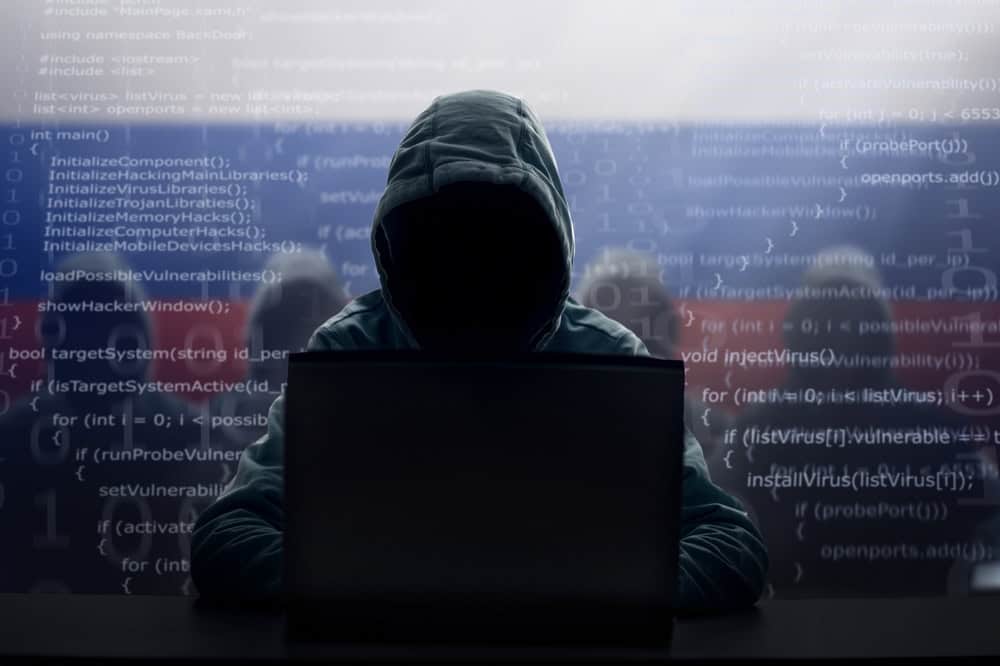


The recent Trend Micro report sheds light on the complex and interconnected nature of the Russian cyber underworld, highlighting its significant role on the global stage. Russian hacking collectives have been consistently making headlines for their attacks on European and American organizations, with a particular focus on critical infrastructure. These attacks often coincide with geopolitical events, especially those related to the conflict between Russia and Ukraine.
Geopolitical motivations have become a driving force behind Russian cybercriminal activities, with some groups claiming independence while others receive direct state sponsorship. Attribution of these attacks to specific groups remains a challenge, as many operate in secrecy and disguise their origins. Trend Micro researchers have delved deep into the activities of Russian-speaking cybercriminal organizations to provide unprecedented insights into their operations.
Joining these cybercrime circles is no easy task, requiring individuals to prove their skills through social engineering attacks. The distinction between state-sponsored and purely criminal operations has blurred, with Russian hackers often concealing their origins for financial reasons and to avoid legal restrictions on financial transfers to Russia.
The report highlights how state-affiliated hackers collaborate with criminal groups to advance strategic objectives while maintaining plausible deniability. DDoS attacks, commonly used in European countries for hacktivism, serve various strategic purposes despite not causing immediate financial harm. These attacks disrupt essential services and consume resources needed elsewhere, showcasing the sophisticated nature of the Russian cyber underworld.
In May 2023, a coordinated cyber attack on 22 companies in the Danish energy sector was attributed to Russia’s military intelligence service, the GRU. This attack, carried out by the notorious Sandworm unit, demonstrated significant planning and state-actor involvement. To protect themselves, European companies are advised to integrate advanced security platforms, threat intelligence, and specialized human expertise to enhance their cyber risk exposure management.
Understanding the tactics and motives of Russian hacking groups is crucial for developing effective defense strategies. These groups possess technical prowess, strategic sophistication, and organizational discipline, making them formidable adversaries. By comprehensively understanding their operational patterns, companies can better defend against cyber threats posed by the Russian cyber underworld.