
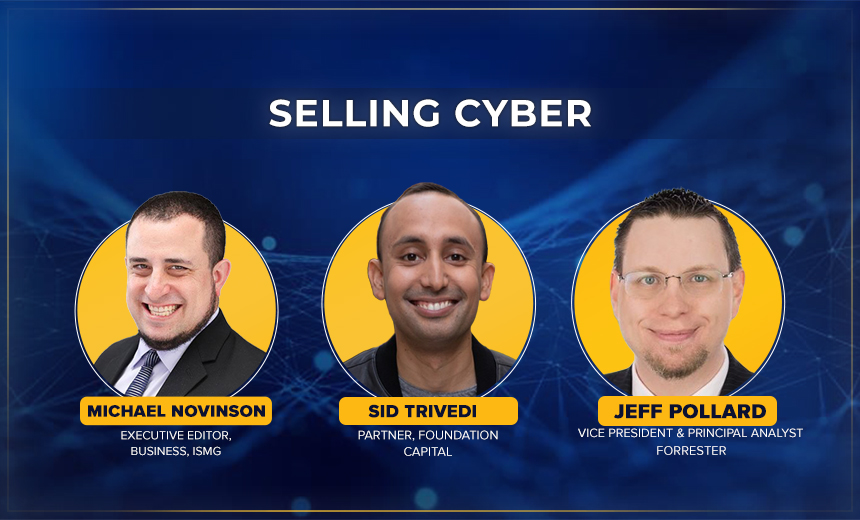


Panel Deliberates on the Impacts of Fable 5 and Mythos 5 on AI Marketplace
In a recent discussion on "Selling Cyber," experts examined the implications of Anthropic’s newly launched Claude Fable 5 model in the ever-evolving artificial intelligence landscape. Fable 5 is designed to excel in software engineering, advanced reasoning, and scientific research, boasting capabilities akin to Mythos-class AI. Nevertheless, measures have been implemented to restrict its use for malicious purposes, specifically to prevent hackers from exploiting it for discovering zero-day vulnerabilities. The panelists aimed to unpack how these advancements will alter the dynamics of the frontier AI market.
This episode provided insights into the challenges enterprises face regarding soaring token budgets as they consider integrating these advanced AI models into their operations. A significant focus of the panel was Anthropic’s strategic decision to divert cybersecurity queries from the Fable 5 model to less capable models. This shift in strategy underscores a critical aspect of AI deployment: risk management.
The conversation further highlighted the recent developments surrounding U.S. export controls on Fable 5 and Mythos 5. These controls, which were imposed in early summer, had been lifted by June 30, facilitating broader access to these AI models. This policy shift raises important questions about the implications for organizations seeking to integrate cutting-edge technology while ensuring compliance with evolving legal frameworks surrounding data management.
Rising Risks and New Challenges
The panel featured insights from industry experts including Jeff Pollard from Forrester and Sid Trivedi of Foundation Capital. Pollard emphasized a concerning trend: the simplicity with which software can be exploited has increased dramatically, mirroring the ease of writing software. This trend necessitates a reevaluation of risk management strategies within organizations. According to Pollard, organizations may need to acknowledge heightened risks associated with software deployment and patches. He remarked on the trade-off that businesses may face: while risking downtime can be daunting, it may be preferable to confront potential partial bill credits over lengthy and costly litigation following a data breach.
The panelists underscored that the challenge of effective patching is driven largely by organizational factors rather than technical limitations. This perspective points to the importance of fostering a culture of security within organizations to effectively navigate the complexities of modern cybersecurity challenges.
Compliance Concerns and Remediation Burdens
Another critical topic discussed was Anthropic’s new 30-day data retention policy. This policy, intended to enhance data management, has raised significant compliance concerns among industry stakeholders. The panel posited that this newfound approach could inadvertently complicate existing compliance frameworks, necessitating a careful reevaluation of how companies manage data input from customers.
Furthermore, the discussion revealed that open-source maintainers now face an unprecedented burden in terms of remediation. As software vulnerabilities become more pronounced, the pressure on maintainers to address these issues increases, placing an additional strain on resources that are often already limited.
Expert Profiles
Pollard plays a pivotal role at Forrester, steering research pertaining to security and risk professionals. His expertise encompasses a range of subjects, including security strategy, budgeting, metrics, and the complexities of presenting security-related information to corporate boards. His research contributions cover extensive global services, particularly focused on managed security services and professional security engagements.
Trivedi, on the other hand, invests within the enterprise stack at Foundation Capital, focusing notably on cybersecurity and IT infrastructure. His previous role at Omidyar Technology Ventures involved guiding early-stage companies in the enterprise software field, demonstrating his commitment to fostering innovation in cybersecurity solutions.
Conclusion
As organizations increasingly rely on advanced AI models like Fable 5 and Mythos 5, understanding the associated risks and challenges becomes critical. The insights shared in the "Selling Cyber" panel serve as a vital resource for enterprises navigating the complex landscape of AI integration and cybersecurity compliance. With the rapid progression of technology, the journey ahead promises to be as challenging as it is exciting, demanding a fine balance between innovation and security.