
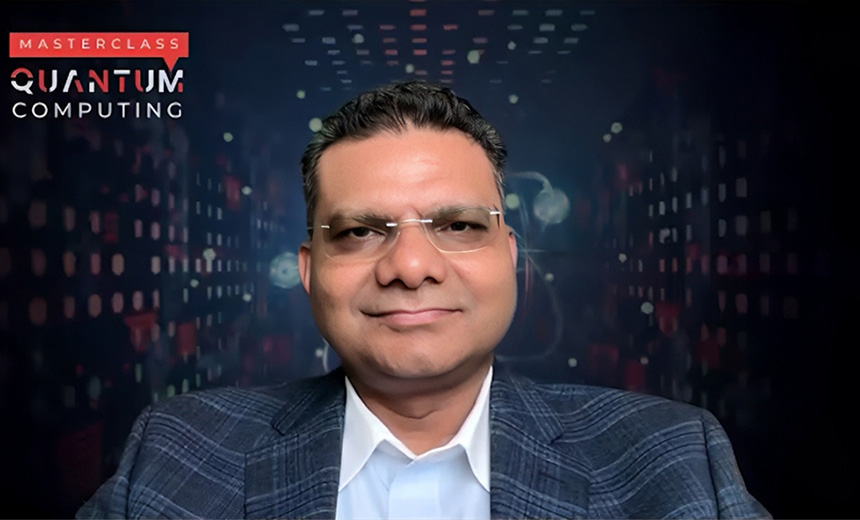


Mapping Cryptography Risk in the Face of Quantum Threats: Insights from IBM’s Jai Singh Arun
In an age where technology evolves rapidly, cryptography remains a fundamental pillar of security for enterprises. However, much of it has traditionally operated in the shadows—integrated deep within applications, cloud platforms, network devices, and hardware without a comprehensive overview of its implementation. This situation poses significant challenges for Chief Information Security Officers (CISOs), who often lack a unified perspective on where cryptographic measures exist and how vulnerable they may be. Jai Singh Arun, the global product management leader for IBM Quantum Safe, sheds light on the urgent need for organizations to map their cryptographic landscape.
Arun emphasizes that while the inherent risks of cryptography have often been overlooked, they can no longer be ignored. The looming threat of quantum computing, which has the potential to break existing cryptographic algorithms within the next decade—if not sooner—makes it imperative for enterprises to obtain a complete view of their cryptographic assets. Without this visibility, organizations cannot effectively prioritize their migration towards quantum-safe standards, which are critical in safeguarding sensitive data against emerging threats.
The transition to quantum-safe cryptography is not merely a technical necessity but also a regulatory imperative. Arun points out that global regulatory frameworks are increasingly mandating that organizations complete their migration to quantum-safe algorithms by the year 2030. This raises the stakes for companies, pushing them to act swiftly to assess their current cryptographic strategies and develop a plan for enhancement.
In an interview with ISMG, Arun elaborated on several key points regarding the cryptographic landscape. One of the critical distinctions he made was between the risk profiles of data at rest versus data in transit. Data at rest—stored data—generally faces fewer immediate threats than data in transit, which is actively being exchanged and can be intercepted. Understanding these differences is essential for CISOs as they prioritize their security measures and allocate resources effectively.
Additionally, Arun highlighted the importance of standardized post-quantum algorithms for key exchanges and digital signatures. These standardized algorithms will serve as the basis for future cryptographic practices in a post-quantum world. By investing in the development and adoption of these technologies now, organizations can bolster their defenses against potential quantum threats.
Behind the insights shared by Arun lies an impressive career marked by extensive expertise in cybersecurity, cloud computing, artificial intelligence, and quantum technologies. With over 27 years of experience at tech giants including IBM, Unisys, and Tata, he has led numerous global product, engineering, and business development teams. His accomplishments include generating over $220 million in intellectual property income and authoring noteworthy works on quantum-safe security and blockchain. His vast knowledge positions him as a key authority in navigating the complex challenges posed by quantum computing and its implications for cryptography.
As enterprises grapple with the implications of quantum computing, the dialogue surrounding cryptography must evolve. The urgency articulated by Arun underscores the importance of proactive measures. Organizations must not only catalog where their cryptography resides, but they also need to understand its particular vulnerabilities in the context of emerging quantum threats. By taking these steps, enterprises can better prepare themselves for the inevitable shift toward quantum-safe practices that will define the next era of information security.
In summary, as quantum computing edges closer to reality, it becomes increasingly necessary for organizations to understand and reinforce their cryptographic infrastructures. The insights offered by experts like Arun serve as a guiding light for businesses aiming to navigate this uncharted territory. The path to quantum safety is not just a technical overhaul; it requires a strategic approach, driven by comprehensive visibility and robust planning. The clock is ticking, and the need for urgency has never been clearer.