
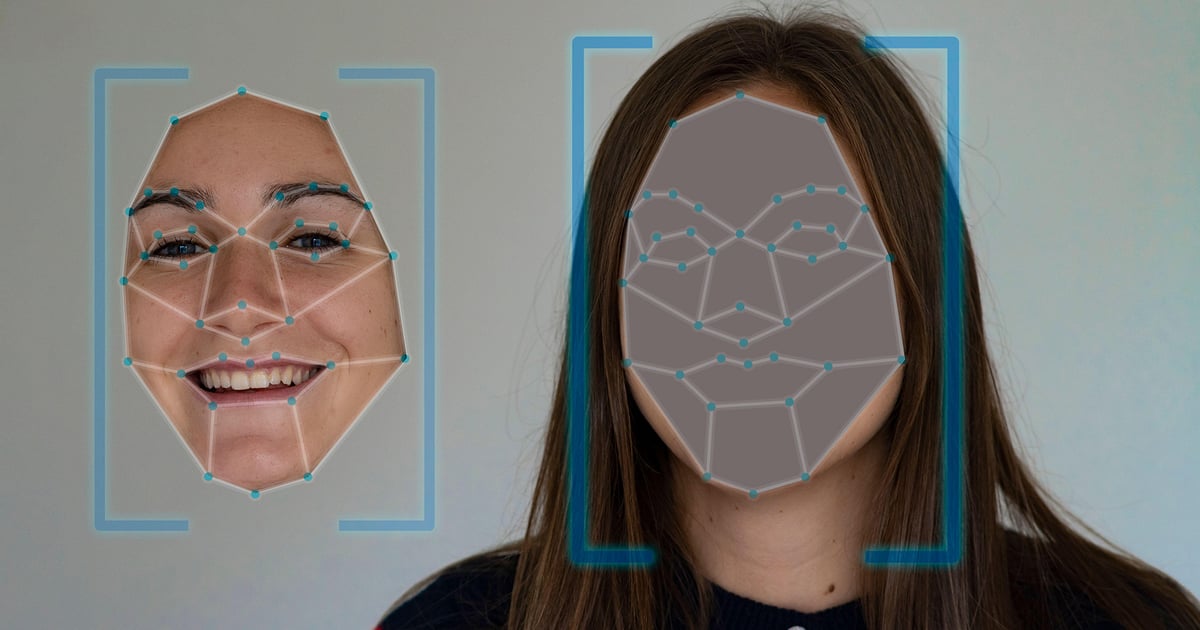


At the RSA Conference 2024 in San Francisco, the topic of deepfakes is at the forefront of discussions. While the current AI-generated synthetic media is generating buzz, experts warn that the upcoming wave of deepfakes will be far more sophisticated and prevalent.
Kevin Mandia, CEO of Mandiant at Google Cloud, predicts that within months, we will witness a new generation of highly realistic and convincing deepfake audio and video content produced at scale with AI technology. Mandia expressed his views in an interview with Dark Reading, stating that the current deepfake content is not yet advanced enough. He emphasized that we are on the brink of a surge in synthetic media that has the potential to manipulate people’s emotions and thoughts on a massive scale.
The looming presidential election adds to the anticipation of a surge in deepfake content. However, there is some relief in the fact that existing tools and human discernment can still detect many audio and video deepfakes. Companies like Pindrop have developed technologies to identify and prevent fraudulent audio clips, while some AI image creation tools struggle to create realistic human features, such as hands with an inaccurate number of fingers.
As the threat of deepfakes grows, so does the need for security tools to detect synthetic media. Innovative startups like Reality Defender are emerging to address this challenge, with Reality Defender winning the title of the Most Innovative Startup at the RSA Conference Innovation Sandbox competition.
Mandia, who is also an investor in a startup focused on detecting AI-generated content fraud called Real Factors, advocates for the use of watermarks to protect against deepfakes. These watermarks would contain immutable metadata, signed files, and digital certificates to ensure the authenticity of content. He believes that as privacy concerns increase, there will be a greater emphasis on identity verification and source authentication to guarantee the legitimacy of digital content.
Looking ahead, Mandia warns that the next wave of AI-generated audio and video will be even harder to detect as fake. The challenge lies in identifying subtle manipulations within larger media files. He envisions a future where an arms race between deepfake creators and detection technologies will intensify, posing a significant challenge for defense mechanisms.
In response to the growing threat of cyberattacks, Mandia calls for a shift towards holding cybercriminals accountable. He emphasizes the need for improved attribution intelligence to identify and name threat actors, rather than solely focusing on fortifying defenses. By exposing the individuals behind cybercrimes and implementing sanctions, law enforcement and the private sector can raise the stakes for bad actors and deter future attacks.
The recent sanctions against Dmitry Yuryevich, the alleged leader of the LockBit ransomware group, exemplify this strategy. International authorities collaborated to levy sanctions against Yuryevich and offered a substantial reward for information leading to his capture. Mandia believes that publicly naming and shaming cybercriminals is a more effective deterrent than merely increasing the financial costs of cyberattacks.
Moving forward, Mandia advocates for a collective effort to enhance the identification of cybercriminals while respecting privacy and civil liberties. He acknowledges the complexities of cross-border investigations but underscores the importance of finding a balance between combating cyber threats and protecting individual rights. In an era where deepfakes and cybercrimes pose significant challenges, collaboration and innovation will be essential to safeguarding digital integrity and security.