


Emergence of Phishing-as-a-Service Platform Kali365 Poses Significant Security Threats
The Federal Bureau of Investigation (FBI) has issued a warning about a new phishing-as-a-service (PhaaS) platform known as Kali365, which is being disseminated broadly, especially through the messaging app Telegram. This alarming development marks a critical evolution in cyber threats, with Kali365 primarily aimed at enabling cybercriminals to execute sophisticated phishing campaigns with minimal technical expertise.
Kali365 was initially detected in April 2026 and has quickly become a favored tool among cyber threat actors. The platform arms users with AI-generated phishing lures, automated campaign templates, and real-time tracking dashboards tailored for targeting specific individuals or entities. This capability not only enhances the effectiveness of attacks but also lowers the barrier for entry for individuals who may lack advanced technical skills.
One of the most worrying features of Kali365 is its ability to allow users to capture OAuth tokens—specifically, Microsoft 365 access tokens. This functionality provides a direct pathway to bypass multifactor authentication (MFA) protocols without requiring the interception of user credentials. By subscribing to Kali365, cybercriminals can achieve persistent access to the Microsoft 365 environments of their targets, significantly amplifying the potential damage these attacks can inflict.
The Kali365 Attack Chain
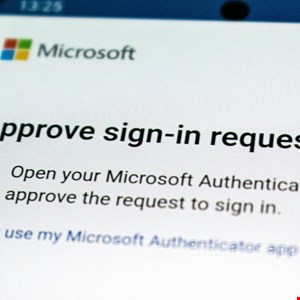
In its May 21 advisory, the FBI detailed the typical attack chain employed by perpetrators using the Kali365 platform. The process begins with the attacker sending a meticulously crafted phishing email that masquerades as a communication from trusted cloud productivity and document-sharing services. This email includes a device code along with direct instructions encouraging victims to navigate to a legitimate Microsoft verification page and input the provided code.
Victims unsuspectingly comply, believing they are engaged in a valid authentication process. By entering the device code on the real Microsoft page, they unwittingly authorize the attacker’s device to access their account. Consequently, the attacker captures OAuth access and refresh tokens, enabling them to breach the victim’s Microsoft 365 account.
Once in possession of these tokens, the attacker can seamlessly access various Microsoft 365 services, including Outlook, Teams, and OneDrive, without needing a password or completing any additional MFA challenges. This creates a worrisome scenario where the attacker establishes a prolonged and stealthy foothold within the compromised account.
Mitigation Strategies Against Kali365-Like Threats
In light of the escalating risks posed by Kali365 and similar phishing threats, the FBI has suggested several preventive measures that organizations and individuals can take to enhance their cybersecurity posture:
-
Restrict Device Code Flow: Institutions are urged to limit or outright block device authentication codes. This could significantly hinder the ability of attackers to exploit OAuth-based vulnerabilities.
-
Conditional Access Policies: It is recommended to create conditional access policies that minimize the use of device code flow for all users, with narrowly defined exceptions for essential business operations. This control measure can drastically reduce the attack surface.
-
Block Authentication Transfer Policies: Implementing policies to prevent users from transferring authentication sessions from computers to mobile devices can also provide an additional layer of protection, minimizing potential avenues for compromise.
- Emergency Access Account Management: Excluding emergency access accounts from these policies is crucial. This provision will safeguard administrators and essential personnel from being locked out of their accounts during critical situations.
As the cybersecurity landscape evolves, the emergence of Kali365 highlights the pressing need for robust security measures. Organizations must remain vigilant and proactive in educating employees about the risks associated with phishing attacks and the importance of cybersecurity hygiene. The ability of platforms like Kali365 to democratize phishing techniques poses a formidable challenge to existing defenses, necessitating a collective effort from cybersecurity professionals, organizations, and individuals alike to mitigate these emerging threats effectively.
In conclusion, the FBI’s warnings regarding Kali365 serve as a clarion call for renewed vigilance against phishing threats and a commitment to bolstering defenses in an ever-changing digital landscape. With the increasing sophistication of such platforms, proactive measures and informed awareness are vital to safeguarding sensitive information and maintaining operational integrity in the face of evolving cyber threats.