


The Resurgence of Cyber Threats Amid U.S.-Iran Tensions
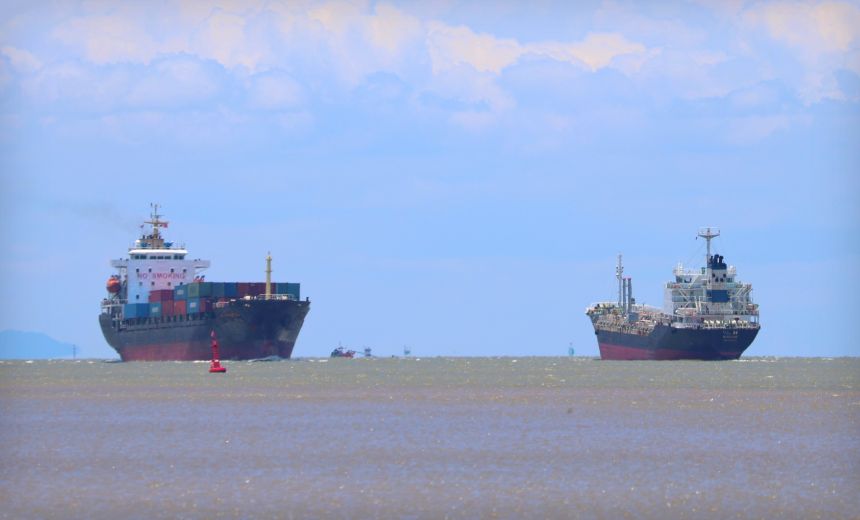
The recent military strikes conducted by U.S. forces against Iran have highlighted the escalating risks posed to American critical infrastructure by potential cyberattacks. The U.S. Central Command reported that on a Sunday, recent military actions involved targeting two rocket launchers on Larak Island, where crews from the Islamic Revolutionary Guard Corps were preparing to launch rockets containing sea mines into the strategically vital Strait of Hormuz. Iran’s retaliatory response came swiftly, featuring ballistic missiles aimed at the King Hussein and Azraq air bases in Jordan, alongside explosive drones directed at Al Minhad Air Base in the United Arab Emirates.
These military engagements ended a month-long period of relative calm in tensions that federal cyber officials have warned could lead to significant repercussions for the control systems governing essential American utilities, such as water and energy services. Experts have noted a pattern of cyber activity closely following kinetic actions in the U.S.-Iran conflicts. Often, advisories from federal agencies regarding Iranian-linked probing of industrial control systems arrive shortly after missile exchanges. This has led to an increased awareness among government officials about the threats posed by Iranian state-sponsored hackers, who have a history of claiming responsibility for attacks coinciding with military maneuvers.
In April, the U.S. Cybersecurity and Infrastructure Security Agency (CISA), the FBI, the National Security Agency (NSA), and various cyber units from the Department of Defense had issued warnings indicating that Iranian-linked entities were exploiting internet-facing programmable logic controllers and misconfigured operational technologies across critical infrastructure in the United States. The concern was so acute that the agencies expanded their advisory in late July to encompass vulnerabilities in well-known devices from manufacturers like Siemens and Schneider Electric, alongside those from Rockwell Automation—just days before a significant wave of intrusions that reportedly commenced with the resumption of hostilities.
One notable incident occurred when a coordinated cyber campaign disrupted operational technology at over 30 community water systems in Minnesota on July 26 and 27, forcing utility crews to revert to manual operations. In the aftermath, CISA reported that more than 100 internet-exposed water systems were targeted during that month alone, underscoring the scale of the threat facing critical utilities.
In a joint alert issued on July 30, the FBI and the Environmental Protection Agency (EPA) informed critical infrastructure owners and operators that water systems in at least seven states had experienced disruptions from cyber activities since July 27. This alarming trend warranted a broader advisory from CISA, the EPA, and the NSA, categorizing the threats to U.S. water systems as urgent and ongoing.
Analysts have characterized the recent activities attributed to Iran as a hybrid threat that encompasses both physical attacks and cyber intrusions, presenting challenges in predicting the scope and nature of their impact. Yelisey Bohuslavskiy, the co-founder of threat intelligence firm RedSense, describes Tehran’s strategy as one of threat projection, asserting that Iranian threats carry an outsized political impact that extends beyond mere operational disruptions.
Adding another layer to the complexity of this issue, a hacking group identifying itself as APT IRAN, linked to the Iranian Revolutionary Guard Corps-affiliated group known as CyberAv3ngers, made provocative statements through its Telegram channel, warning of imminent disruptive events targeting the energy, water, and telecommunications sectors. The group claimed responsibility for the earlier cyberattacks on U.S. water systems, characterizing them as a cautionary demonstration of capability.
In their statement, APT IRAN noted that their attacks affected six states—Minnesota, Michigan, Georgia, New Jersey, South Dakota, and Arkansas—while officials have indicated there may have been intrusions at utilities in nearly a dozen states across the U.S. Despite the significant implications, federal agencies have not publicly attributed these incidents to a specific group, and inquiries regarding the attribution of recent attacks on critical infrastructure have gone unanswered by CISA and the FBI.
This unsettling landscape of cybersecurity poses a substantial risk to the U.S., which is home to more than 150,000 water systems, many of which are operated by small municipalities lacking dedicated cybersecurity resources. The ongoing conflict’s potential to spill over into cyber warfare remains a significant concern, requiring urgent attention from federal agencies and local infrastructure operators alike. The need for robust defenses and proactive measures has never been more critical, as both national security and public safety hinge on the resilience of America’s critical infrastructure systems in the face of evolving cyber threats.