
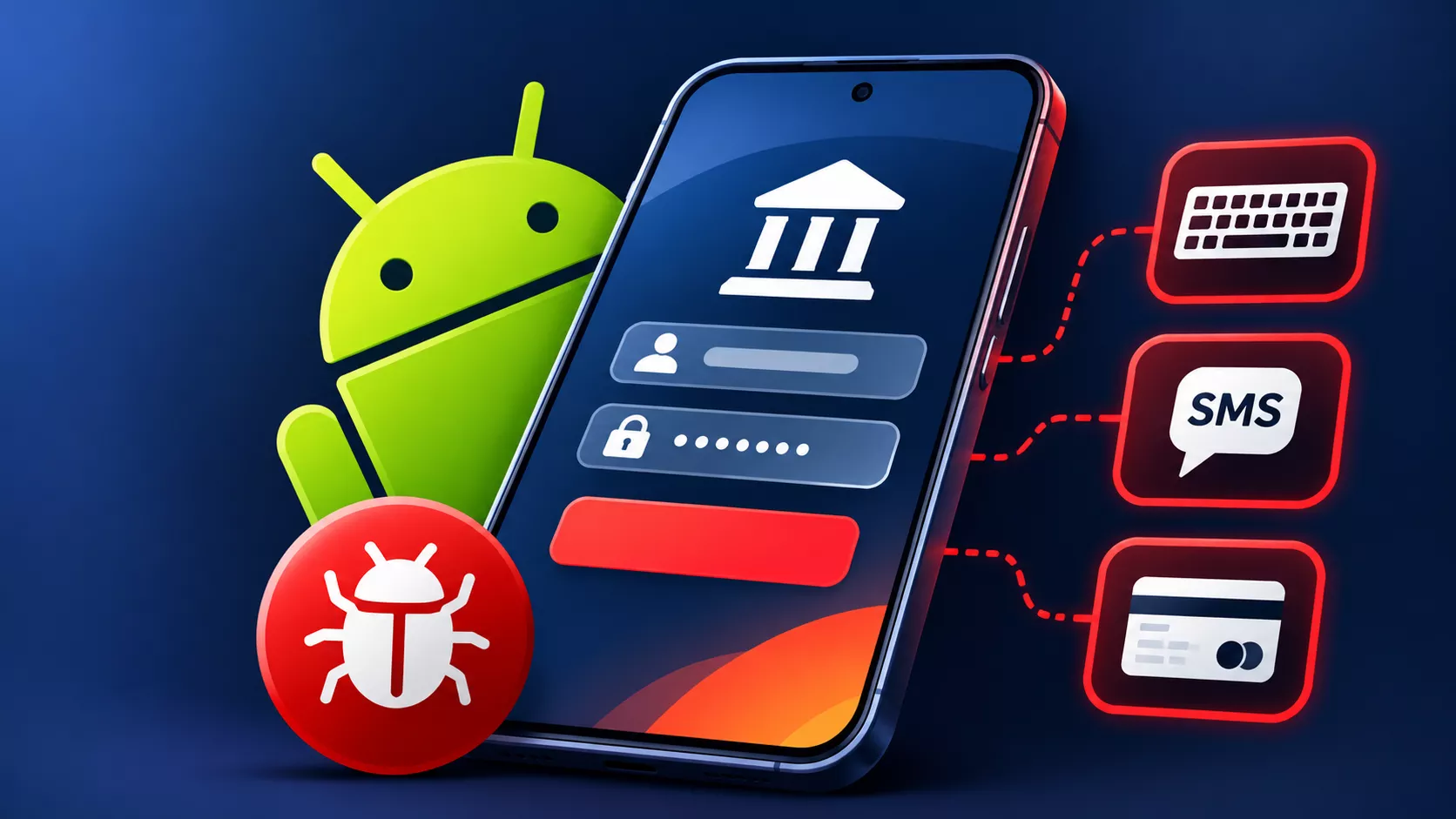


The Rise of Bazuka: An AI-Powered Banking Trojan Preying on Android Users
In a significant discovery that raises alarms in the cybersecurity community, ThreatFabric has unveiled Bazuka, a novel modular banking Trojan tailored for Android devices. This sophisticated malware is designed to capture banking credentials and intercept SMS verification codes. Notably, Bazuka employs large language models (LLMs) to enable operators to prioritize compromised devices, illustrating a troubling evolution in malware technology.
Discovery and Technical Composition
ThreatFabric identified the Bazuka framework in late October 2026 while probing an incident linked to a near-field communication (NFC) card relay application. The malware comprises a dropper or downloader, a core payload, and a whopping 23 modules—indicative of its complex and versatile nature. Interestingly, the framework does not incorporate an automated payment function, relying instead on its AI capabilities to guide operators on which infected devices warrant further scrutiny. This operational strategy echoes similar functionalities observed in RATHat’s AI-assisted victim scoring technique.
Delivery Mechanisms and Initial Deployment
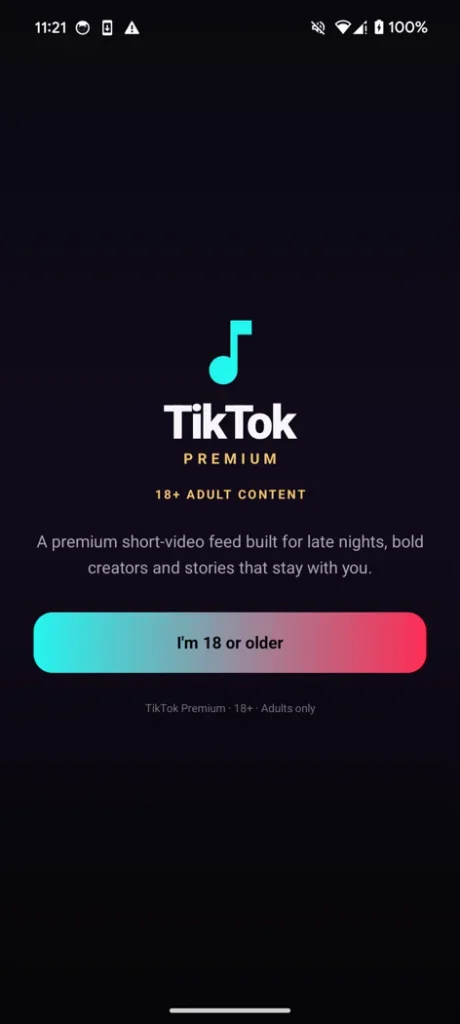
ThreatFabric outlined two primary delivery methods for Bazuka. One variant posed as a TikTok adult-content application, thereby bypassing suspicions and requesting users to allow app installations from unverified sources. This tactic enabled it to download an additional Android package (APK) to operationalize its malicious intent. Another variant took a more direct approach by downloading the core payload and activating the NFC module linked to relay attacks. The control panel of the malware was found to contain affiliate accounts aimed at victim recruitment, coupled with settings that allowed the generation of APKs with minimal permissions from the manifest. This tactic indicates that the developers likely considered distributing Bazuka via official platforms like Google Play, although ThreatFabric found no evidence to support that it had occurred.

Mechanism of Action
Bazuka is designed to load its core and additional modules as Dalvik Executable (DEX) bytecode through Android’s InMemoryDexClassLoader. This capability allows it to deploy campaign-specific modules without needing to embed one expansive APK filled with every functionality. A distinctive feature of Bazuka is its ability to fingerprint affected devices and segregate command-and-control traffic from data exfiltration over two WebSocket channels, both of which are safeguarded by ChaCha20-Poly1305 authenticated encryption.
The data channel is responsible for transmitting captured information, including screen streams. Furthermore, researchers discovered that Bazuka misuses Android’s Accessibility Service and the Android Debug Bridge (ADB) to gain permissions and control over infected devices. However, it remains unclear whether Bazuka’s modules can persist after the original host application has been removed.
At the heart of Bazuka’s capabilities is its input_recorder module, designed to track passwords and credit card numbers in user input while specific applications are in active use. Other modules are also engineered to read SMS messages, intercept one-time verification codes, and gather lock-screen PINs, passwords, or patterns.
Unique Abilities and User Prey
Beyond credential phishing tactics similar to those utilized by malware such as RemControl, Bazuka distinguishes itself by displaying previously captured home-screen or lock-screen images as overlays rather than solely relying on fabricated login pages. This advanced feature, combined with remote screen viewing and device interaction capabilities, makes Bazuka particularly dangerous for Android users.
The integration of large language models occupies a central role within the operator panel, rather than within the modules responsible for credential collection. Operators can leverage these LLMs to query the status of infected devices or obtain a scoring system that reflects the device’s perceived value as a target—this pattern aligns with functionalities seen in other malware like ArcticRAT, which employs AI-assisted financial triage.
While ThreatFabric could assess Bazuka’s frontend without authentication, accessing the backend—which holds valuable victim data—did require authentication. Notably, there was no evidence to suggest that the model operated independently to steal credentials or conduct financial transactions.
Risks and Incident Response Implications
For cybersecurity incident responders, the primary risk associated with Bazuka is the alarming potential for a single compromised device to expose both banking passwords and the corresponding SMS codes intended to safeguard those accounts. The presence of the observed NFC relay offers an additional layer of complexity to illicit activities, prompting investigators to keep a vigilant eye on suspicious contactless card transactions and potential signs of bank account takeovers.
In summary, the emergence of the Bazuka banking Trojan; with its AI-backed, modular framework and clever deception tactics, signifies an escalation in the sophistication of threats facing Android users. As these malicious entities continue to adapt, robust security measures and awareness will be critical in mitigating the risks they pose.