
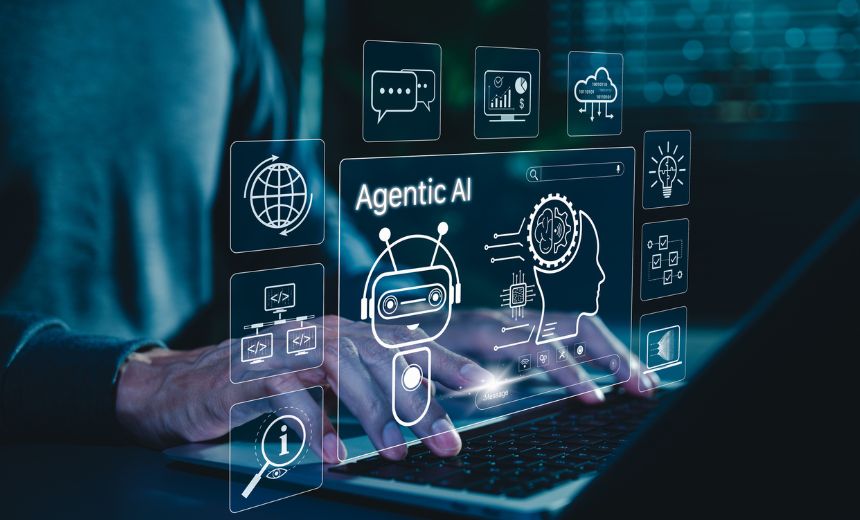


The Rise of Agentic AI: Transforming Identity and Access Management in the Enterprise
In the contemporary landscape of enterprise operations, the emergence of agentic AI marks a significant paradigm shift. This innovative technology is not merely theoretical; it is actively reshaping various dimensions of how companies function, defend their assets, and maintain a competitive edge in the market. Agentic AI facilitates an array of tasks—from automating workflows to fortifying cybersecurity defenses—delivering unprecedented efficiency and scalability. However, this evolution carries with it a new category of risk that is inherently autonomous, rapid, and frequently difficult to fully comprehend or control, thereby prompting a deeper examination into how organizations approach identity and access management.
At the heart of this transformation is the exponential growth of non-human identities. As organizations increasingly embrace cloud adoption, empower remote work capabilities, and deploy AI systems at scale, machine identities are proliferating at a staggering rate. In many instances, these machine identities significantly outnumber human users, presenting a daunting challenge. Most existing security frameworks, however, remain anchored in a human-centric model of identity and access, which may no longer be adequate in meeting the demands of an AI-driven era.
This evolution poses a critical challenge for security leaders. The complexity of managing human identities has always been a daunting task, and with the addition of AI agents driving a considerable amount of access in modern enterprises, the situation becomes even more complicated. Security leaders must now grapple with a landscape in which traditional methods of managing identity and access are becoming obsolete. It necessitates a fundamental shift in perspective and strategy.
A recent session delved into how organizations can re-envision their identity and access strategies to align with the realities of operating within an AI-infused enterprise environment. Key points of discussion included the scale and complexity of AI agents and the rapid growth of machine identities across various sectors. The session illuminated the pressing need for organizations to evolve their security frameworks in order to effectively manage risks associated with unauthorized or unsanctioned AI usage, all while maintaining essential business functions and momentum.
Furthermore, the session spotlighted leading organizations that are making strides in evolving identity governance. They are actively adapting their frameworks to consider not only human users but also non-human identities and automated access. These organizations are recognizing that a more holistic approach to identity management is critical to safeguarding their digital ecosystems, and they are implementing innovative strategies designed to mitigate risk while harnessing the benefits that AI technologies bring.
As businesses increasingly rely on artificial intelligence to enhance operational efficiency, the conversation surrounding identity and access management is becoming more urgent. Organizations must prioritize the modernization of their access control strategies, ensuring they remain relevant and effective in a landscape increasingly dominated by AI agents. While this task may seem daunting, it presents an opportunity for organizations to not merely react to these changes but to proactively shape their security posture in a way that is both resilient and forward-thinking.
Participants in the session walked away with valuable insights into the future of cybersecurity governance, equipped with a clearer understanding of the necessary steps for modernizing access controls. They explored strategies for navigating the complexities introduced by AI agents, gaining knowledge that would empower them to strengthen their security frameworks in an environment that is rapidly evolving.
In conclusion, as agentic AI continues to advance, it will undoubtedly play a pivotal role in defining the security landscape of the future. With the right approach to managing identity and access, organizations can harness the benefits of this powerful technology while effectively mitigating the risks it introduces. This transformation is not merely about adapting to new technologies; it is about rethinking the very foundations of how identity and access are conceptualized in the modern enterprise.