
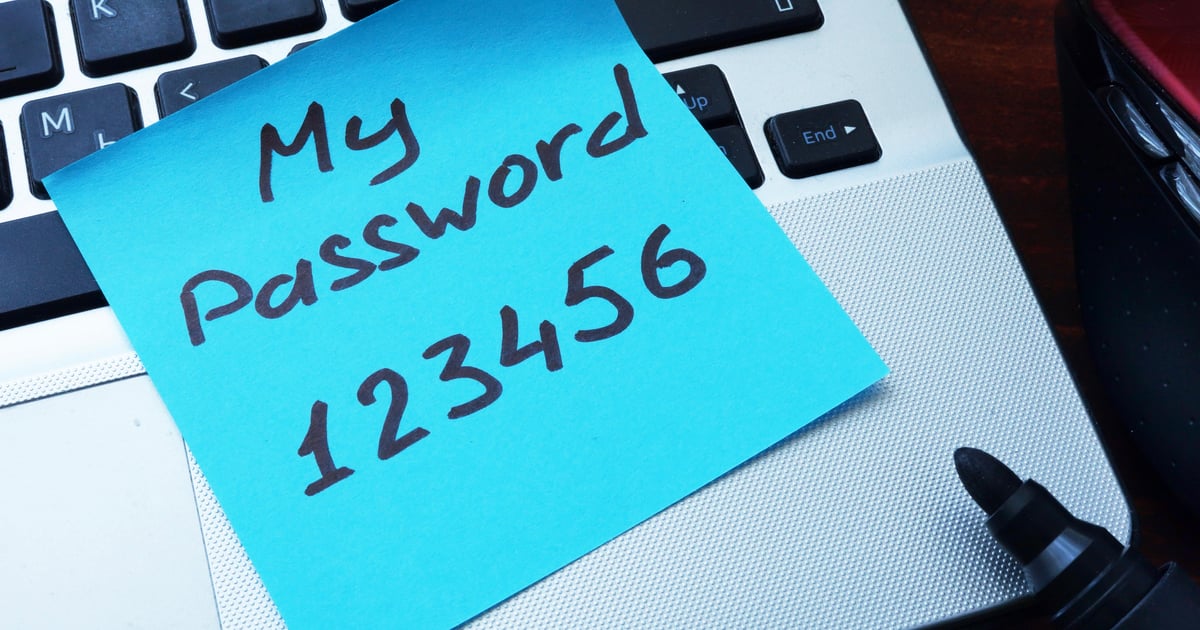


In a shocking turn of events, nearly 10 billion unique plaintext passwords have been leaked by a user on a popular hacking forum. This massive list, dubbed RockYou2024, has sparked concerns among cybersecurity experts and internet users alike.
The file containing these passwords, rockyou.txt, is believed to have been compiled from various past data breaches. Researchers have warned that while this list could potentially be used by attackers to launch brute-force attacks, it is unlikely that any website would allow such a vast number of login attempts.
However, the real danger lies in the possibility of cybercriminals combining the RockYou2024 list with data from other breaches. If users have reused passwords across multiple accounts, this could open the door to successful credential-stuffing attacks. This serves as a stark reminder of the importance of using unique, complex passwords and implementing additional security measures like multifactor authentication.
Darren James, a senior product manager at Specops Software, has emphasized that the sheer size of the RockYou2024 dataset makes it impractical for cracking hashes. He suggests that the value of this data is minimal when compared to more refined wordlists and rulesets used by skilled hackers.
Despite the alarming nature of this leak, James advises organizations to focus on bolstering their security practices rather than fixating on the RockYou2024 dump. Encouraging the use of passphrases, protecting against compromised passwords, and defending against targeted wordlist attacks are essential steps in mitigating the risks posed by large-scale password leaks.
In the midst of this potential security threat, internet users are urged to stay vigilant and take proactive measures to safeguard their online accounts. By avoiding password reuse, creating strong and unique passwords, and utilizing multifactor authentication whenever possible, individuals can enhance their defense against cyber threats.
Ultimately, while the RockYou2024 leak has raised concerns within the cybersecurity community, it serves as a reminder of the ongoing battle against data breaches and the importance of robust security practices in an increasingly digital world. By staying informed and proactive, users and organizations can better protect themselves from the ever-evolving landscape of cyber threats.